Managing Large Volumes of Experiment Data
R&D teams generate massive datasets across multiple test runs, requiring efficient data organization and reliable analysis to extract meaningful insights.
Accelerating technology and process innovation while ensuring digital continuity from R&D to manufacturing with camLine PDES software.
For high-tech manufacturers, R&D and process development are where innovation begins, but the greater challenge lies in transferring those innovations into stable, high-volume production. Bridging this gap requires digital continuity, traceable experiment data, and close collaboration between R&D and the production line.
camLine Process Development Execution System (PDES) supports organizations in managing this transition seamlessly. By integrating experiment design, data analysis, and process documentation, camLine enables faster learning cycles, scalable knowledge reuse, and reliable data integrity across the entire technology development chain.

R&D environments produce large volumes of data from iterative experiments involving advanced materials and complex processes. To make results both agile and reproducible, information must be captured in a structured, traceable form that supports continuous learning. A Process Development Execution System (PDES) connects experiment design, analysis, and documentation in one workflow, ensuring that validated knowledge can be reused efficiently and transferred reliably into manufacturing.
Key industry trends include:
Challenges
R&D teams generate massive datasets across multiple test runs, requiring efficient data organization and reliable analysis to extract meaningful insights.
Without structured data capture, valuable experimental knowledge often remains isolated in silos, slowing technology transfer and process optimization.
Transferring validated process parameters and recipes into manufacturing environments demands standardized documentation and digital traceability.
Manual experiment planning and repetitive analysis extend development cycles and increase the cost of innovation.
Regulated industries like medical devices and automotive require secure, traceable data handling across all development stages.
Teams need unified platforms that connect experiment design, data analysis, and process documentation to support decision-making and scalability.
How we help
Who we help
We support research organizations in managing complex development projects through structured experiment design, comprehensive documentation, and reliable data traceability.
camLine solutions help manufacturers accelerate process development, validate new technologies, and ensure a seamless transition from pilot runs to volume production.
Cornerstone and XperiDesk provide engineers and researchers with analytical and visualization tools to make confident, data-driven decisions.
By ensuring traceable data flows and documented results, our systems help maintain regulatory compliance throughout development and scale-up.
Talk to our expert
Our team is ready to deliver tailored MES/MOM solutions that streamline your production, improve product quality, and maximize efficiency across your operations. Tap into camLine’s decades of expertise in digital transformation to overcome your manufacturing challenges.
FAQ
Large numbers of test runs, materials, process steps, and variables become difficult to compare when data and documentation remain fragmented. A Process Development Execution System (PDES) structures experiments, processes, materials, and dependencies so teams can find prior work, reproduce decisions, and build on validated knowledge.
camLine PDES combines experiment design, data analysis, and documentation in one digital workflow. This keeps the purpose, inputs, process steps, results, and conclusions connected, reducing the gap between running an experiment, interpreting it, and preparing the knowledge for reuse or transfer.
XperiDesk standardizes experiment, process, and material documentation, tracks dependencies, and links process steps throughout development. This gives R&D teams a traceable view of how an experiment was configured and how its materials, variables, and results relate to later process decisions.
Cornerstone supports statistical analysis, visualization, and Design of Experiments (DoE). Instead of changing one factor at a time, teams can use structured experimental designs to evaluate multiple variables and interactions, then analyze the results in a repeatable workflow. The method must still match the scientific question, data, and constraints.
R&D teams can shorten validation cycles by standardizing experiment planning, automating repeatable analysis, and reusing prior process knowledge instead of recreating it. PDES connects the experiment record with analysis and documentation so reviewers can assess the evidence and decision history more efficiently.
Yes. A shared workflow gives different disciplines access to the same experiment definitions, process documentation, analysis context, and traceable results. Collaboration still requires common terminology, role-based access, review responsibilities, and agreement on which data and conclusions are approved for reuse.
PDES captures experiments, materials, process steps, dependencies, analysis, and documentation in a structured environment. This makes validated knowledge easier to search, understand, and reuse across projects and teams, reducing dependence on isolated files or individual memory.
Digital continuity connects experimental data, validated process parameters, recipes, and production definitions so manufacturing receives traceable, production-ready knowledge. The transfer should identify the approved process window, equipment and material assumptions, quality criteria, change history, and evidence required before scale-up.
Structured documentation and traceable data flows help teams show how development data, analyses, and decisions were created and changed. For regulated environments such as medical devices and automotive, the organization must also define access, review, retention, validation, change control, and the quality-system requirements that apply to each development stage.
Define the experiment and process structures, material identities, metadata, data sources, analysis methods, roles, approvals, traceability needs, integration points, and the information that must transfer to manufacturing. A useful implementation starts with the decisions and handoffs PDES must support, then configures the workflow around those requirements.
We believe successful software implementation requires more than great technology—it needs people who understand your business. Our co-development model with industry leaders ensures solutions address real-world challenges.
Discover how camLine software solutions address key challenges across industries and all aspects of manufacturing operations in the video series.
Explore our resource library to discover how camLine supports high-tech manufacturers in enhancing quality, efficiency, and reliability.

Learn how to automate analytical tasks, record & reuse workflows, and streamline data analysis using Cornerstone’s Common Engineering Data Analysis (CEDA).
Explore how pore die casting, optimized using Cornerstone statistical analysis software, achieves up to 13% aluminum savings without compromising component quality.
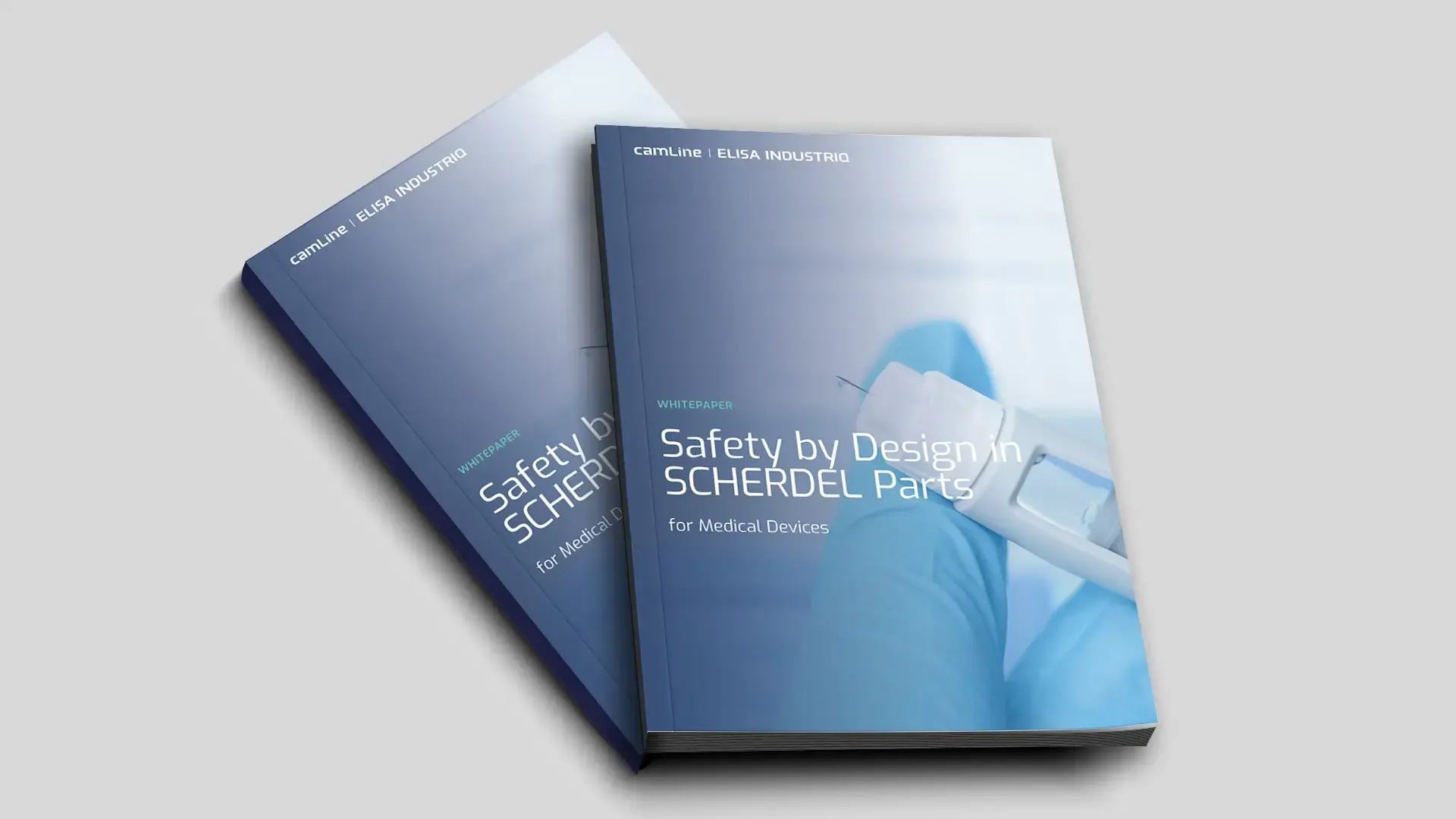
Discover how SCHERDEL applies the safety by design principle in medical device component development using Design of Experiments (DoE) with Cornerstone.
Explore how Cornerstone streamlines experimental design and analysis for spray application processes in the paints and coatings industry.
Learn how design of experiments (DoE) reduces runs and streamlines contact hole etching, boosting wafer uniformity in semiconductor manufacturing.
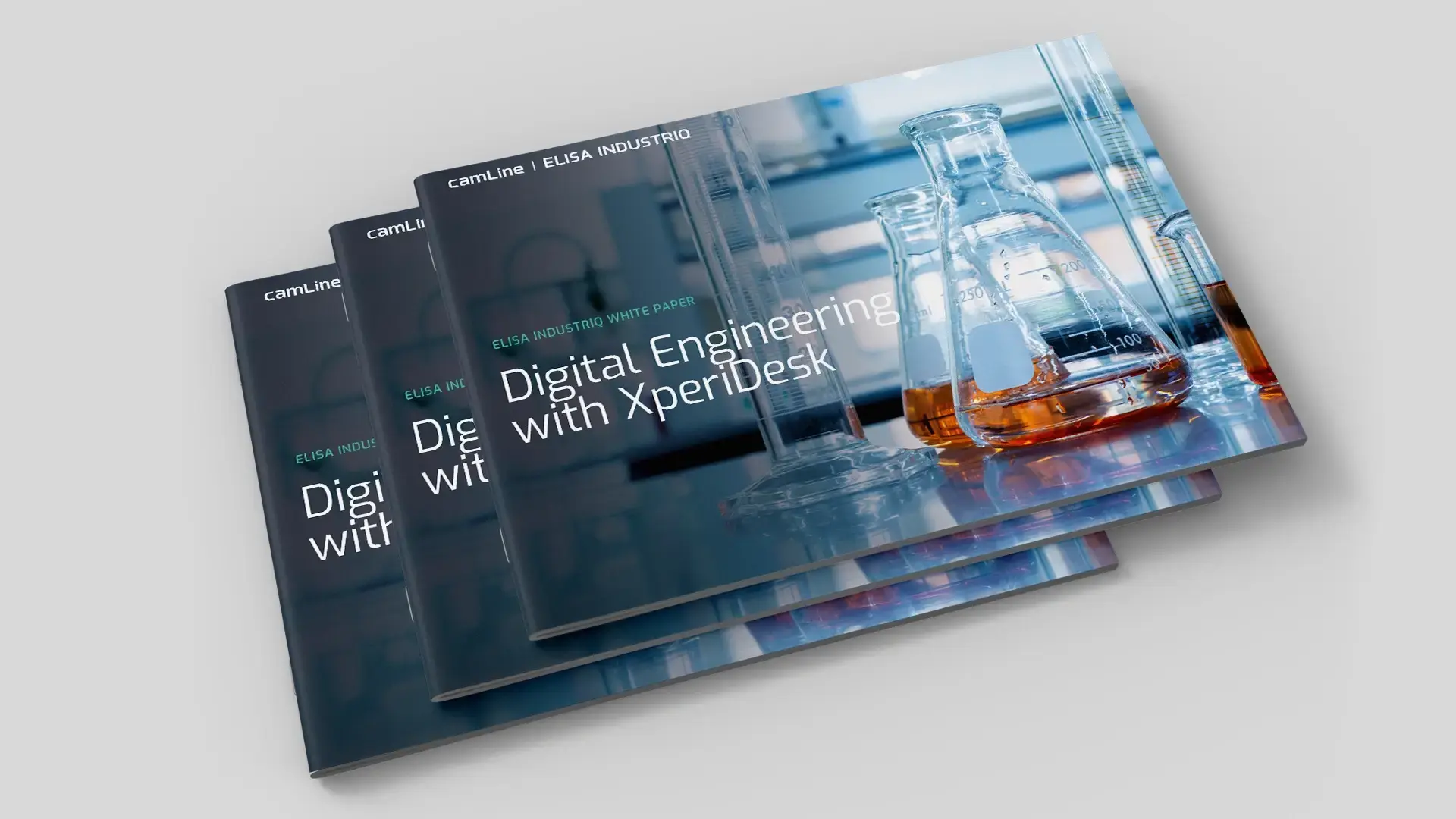
Discover how XperiDesk, an R&D software, digitizes and automates engineering for faster development, fewer errors, and greater innovation in high tech.
Our team is ready to deliver tailored MES solutions that streamline your production, improve product quality, and maximize efficiency across your operations. Tap into camLine’s decades of expertise in digital transformation to overcome your manufacturing challenges.