Centralize and Standardize Recipe Management | Webinar
Learn how fabs can centralize recipes, standardize recipe models, prevent errors, and use lower-production periods for cleanup, testing, and training.

camLine's RMS streamlines recipe management to enhance efficiency, quality, and throughput through centralized, adaptable software for process-oriented industries.
Recipe Management System (RMS) is a real-time, centralized solution for managing product definitions, known as recipes, across production equipment. It standardizes process parameters, manages version control, and enables secure recipe distribution to enhance operational efficiency, product quality, throughput, and equipment utilization.
An RMS serves as an integral part in handling unforeseen batch recipe changes, reducing scrap and rework, while ensuring compliance with industry standards such as ISA-88 and SEMI E5.
The Recipe Management solution provides a variety of core capabilities for handling complex recipes, making the work of equipment operators, production managers, and process engineers more efficient. It improves process integrity to ensure production outcomes remain traceable, high in quality, and compliant with industry requirements.
How we help
The foundation of camLine’s RMS solution, LineWorks RM is one of the flagship MES modules designed for streamlined recipe workflows and process integrity. It provides an adaptable, automated recipe management framework for process-oriented industries.
As products become more complex and diverse, traditional RMS approaches can no longer keep up. LineWorks RM addresses these challenges by standardizing recipes and simplifying recipe maintenance through centralized management.
With a strong presence in high-tech industries such as semiconductor, battery, solar, and medical devices, LineWorks RM is trusted by industry leaders to maintain every process step of recipes with full traceability and a high level of security, control, and intellectual property (IP) protection—ensuring compliance with ISA-88 and SEMI E5 and readiness for evolving manufacturing demands.
Advantages
Reduce defects and process drifts through automated adjustments of process parameters to ensure optimal outcomes, improving yield and product quality.
Reduce setup time and minimize errors by automatically downloading the correct recipes to equipment, resulting in higher production output and better overall utlilization.
Adhere to industry standards and ensure audit-readiness with traceable outcomes and consistent product quality.
Simplify approval workflows and reduce recipe duplication through centralized management to speed up the path from development to market.
Talk to our expert
Our team is ready to deliver tailored MES/MOM solutions that streamline your production, improve product quality, and maximize efficiency across your operations. Tap into camLine’s decades of expertise in digital transformation to overcome your manufacturing challenges.
FAQ
Equipment-level storage becomes insufficient when recipes must be controlled consistently across multiple tools, production lines, products, or sites. A centralized Recipe Management System such as camLine LineWorks RM provides a common repository for governing recipe versions and distributing approved configurations.
Manual recipe handling increases the risk of incorrect versions, setup errors, inconsistent parameters, and incomplete change histories. These issues can contribute to longer setup times, scrap, rework, and difficulties tracing which recipe was used for a production batch.
Recipe version control maintains a complete change history and identifies which version is approved for production use. camLine LineWorks RM can centrally manage and automatically distribute the correct recipe to equipment, reducing dependence on manual selection and transfer.
Parameterization allows common recipe structures to be reused while product- or process-specific values are managed separately. This reduces unnecessary recipe duplication and makes updates easier to control as the number of products and process variants increases.
Yes. camLine positions LineWorks RM as supporting recipe-management processes aligned with ISA-88 and SEMI E5. These standards provide relevant structures for batch and recipe control and for communication involving equipment constants and status variables.
Yes. LineWorks RM is a camLine MES module that manages recipe workflows and supports automated recipe distribution to production equipment. The specific integration design depends on the existing MES environment, equipment interfaces, and recipe-control requirements.
We believe successful software implementation requires more than great technology—it needs people who understand your business. Our co-development model with industry leaders ensures solutions address real-world challenges.
Explore our resource library to discover how camLine supports high-tech manufacturers in enhancing quality, efficiency, and reliability.
Learn how fabs can centralize recipes, standardize recipe models, prevent errors, and use lower-production periods for cleanup, testing, and training.

Learn how to resolve, approve, qualify and transfer equipment recipes across production environments with centralized recipe management.
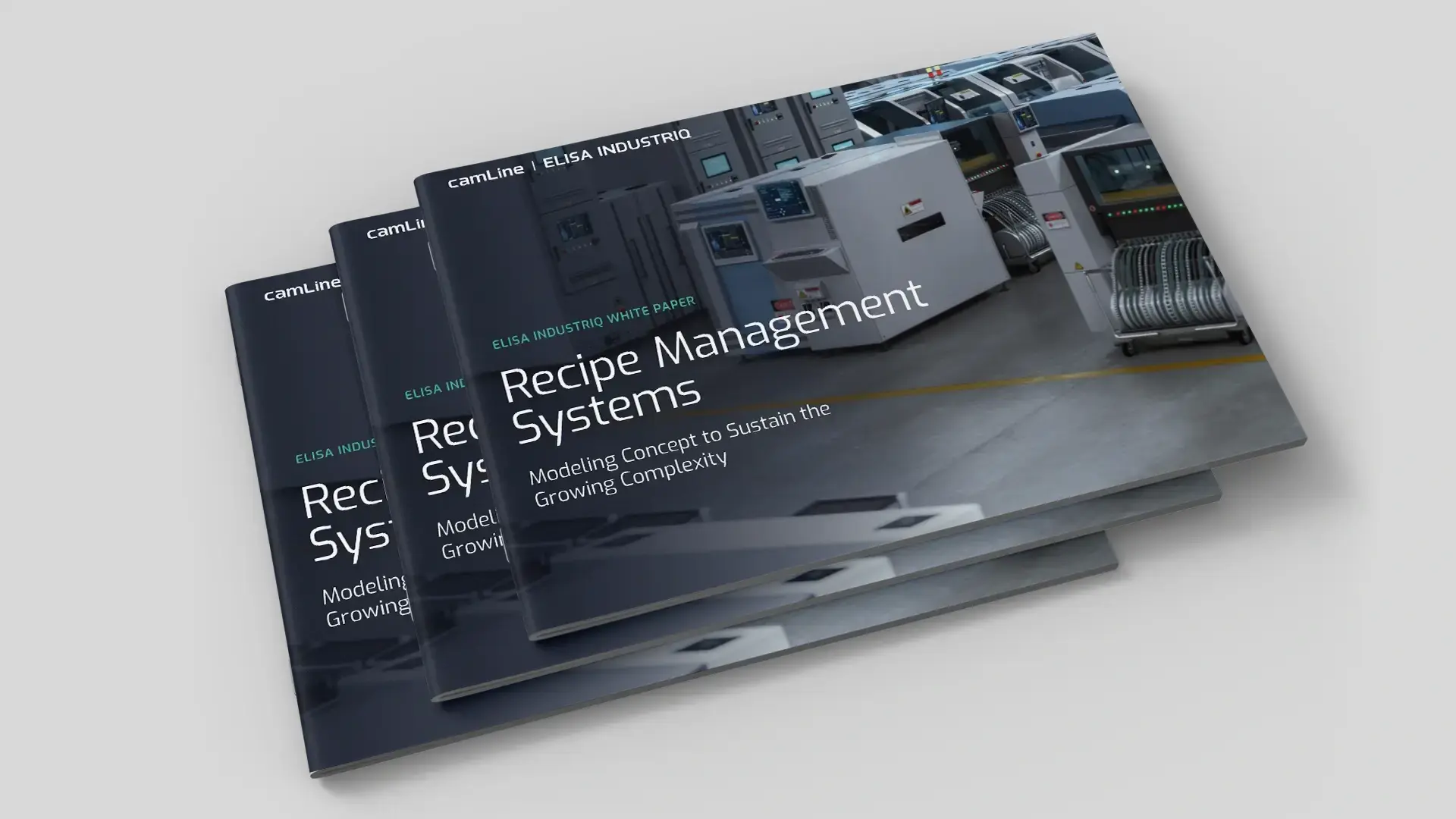
Learn how advanced recipe management modeling uses context-based resolution, recipe variants, object linking, and reusable components.
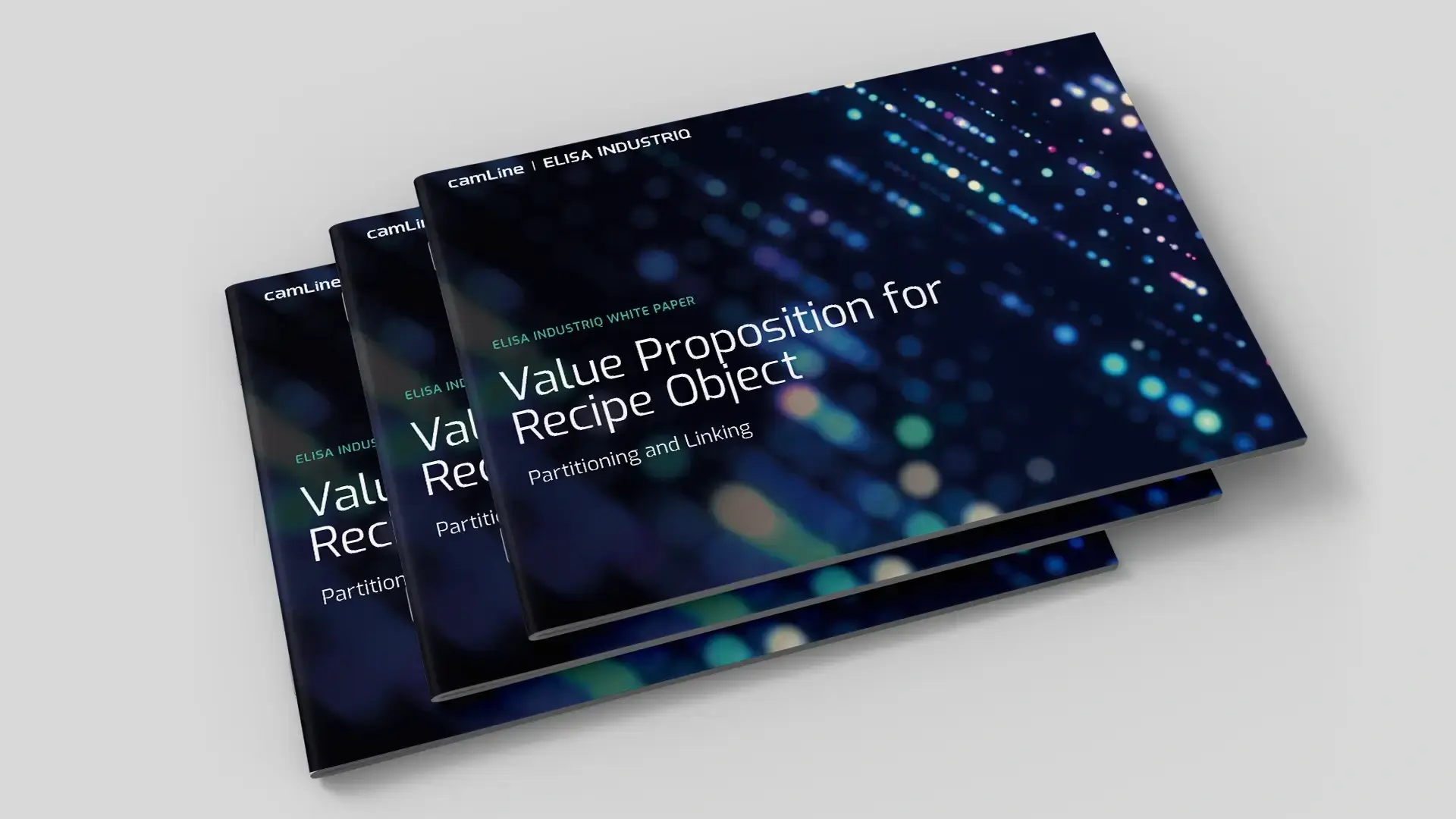
Compare consolidated and partitioned recipe models and see how shared components, tool differences and recipe variations affect maintenance.
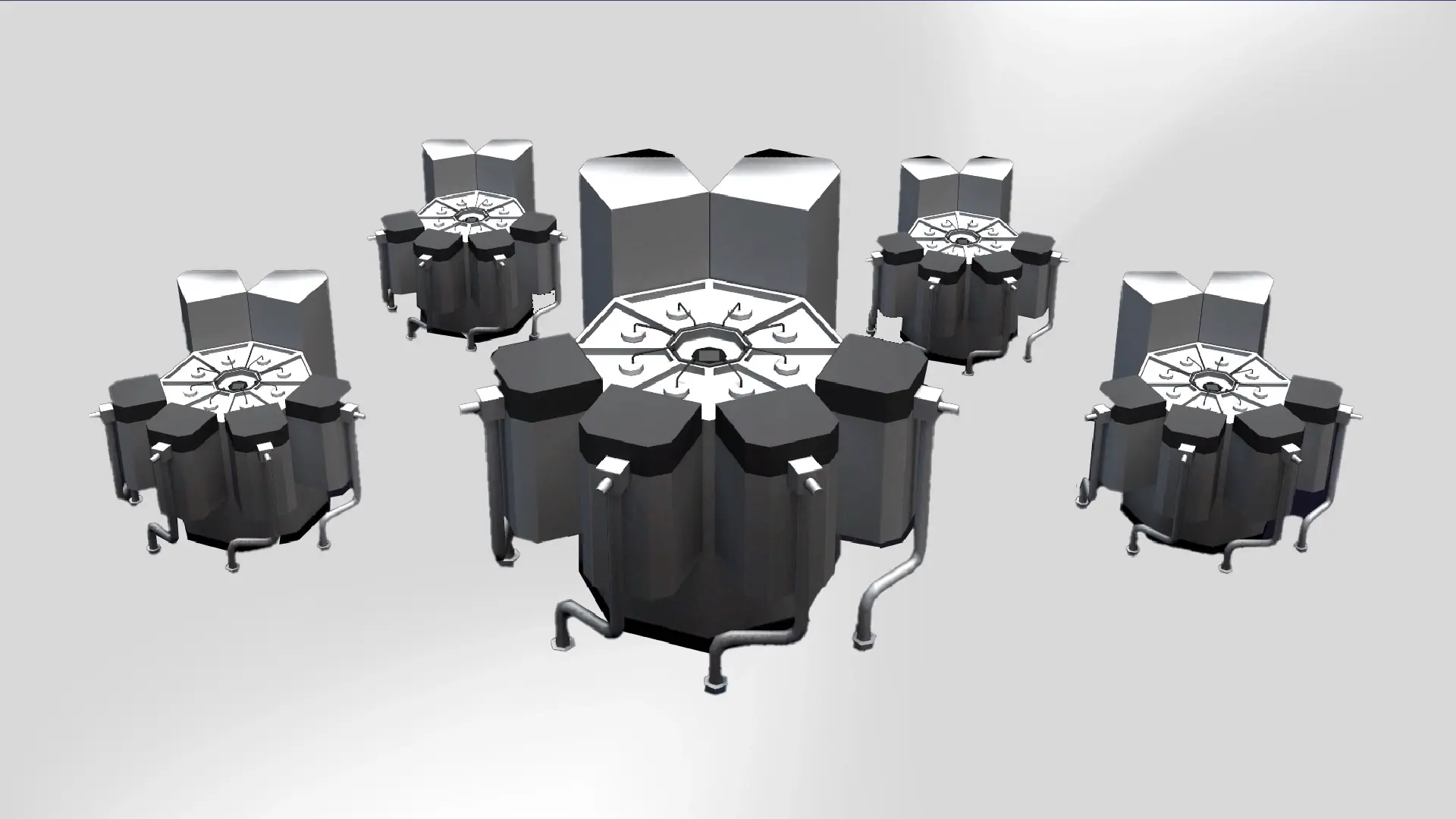
Learn how integrating recipe management with your MES ensures secure recipe updates, centralizes storage, and enhances production efficiency with LineWorks RM.
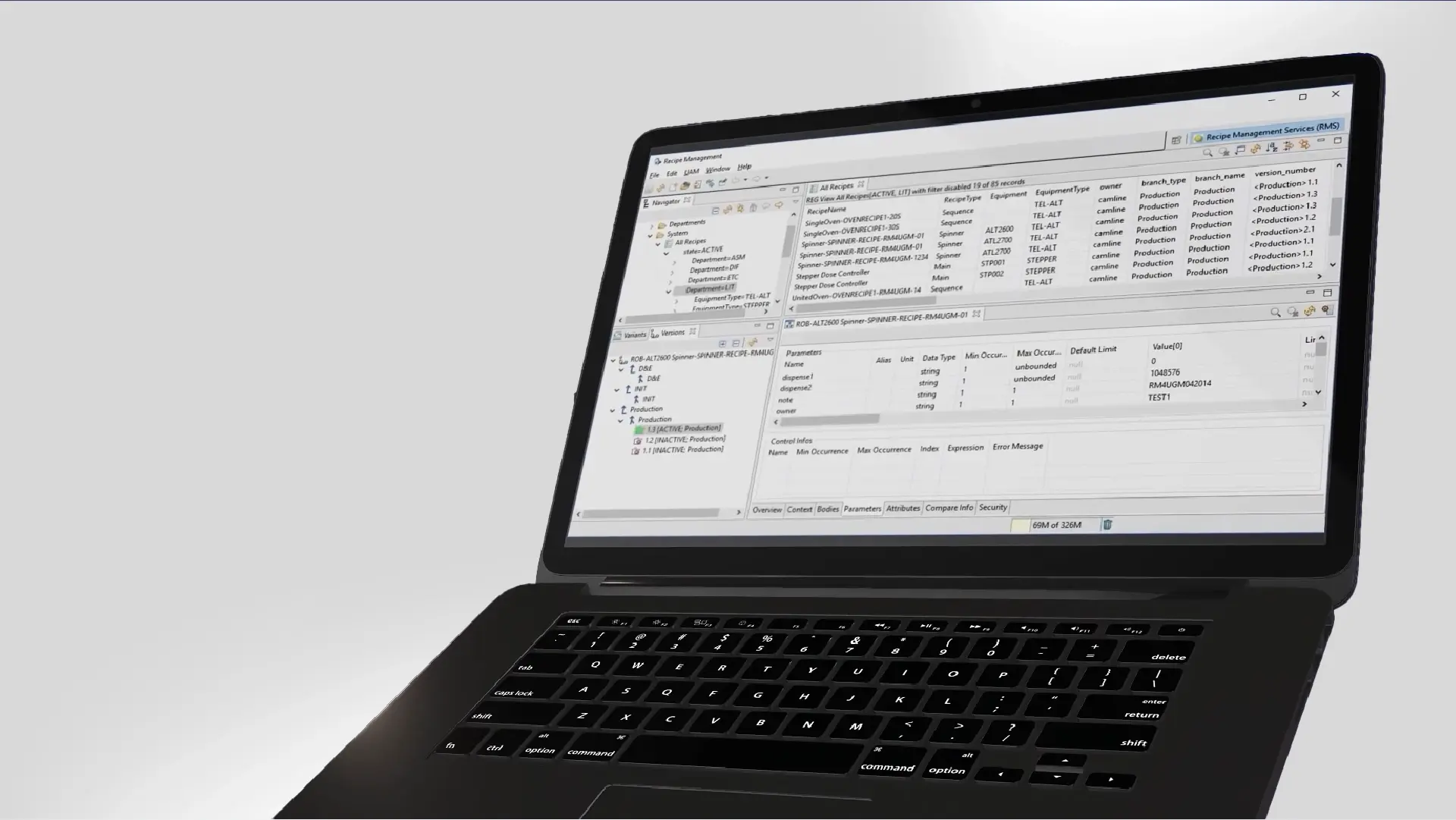
Discover how integrated recipe management with a digital twin for recipes streamlines workflows, enhances efficiency, and drives semiconductor manufacturing excellence.
Our team is ready to deliver tailored solutions that streamline your production, improve product quality, and maximize efficiency across your operations. Tap into camLine’s decades of expertise in digital transformation to overcome your manufacturing challenges.