

Proactive Planning
Plan capacity based on predicted demand, not assumptions. Anticipate traffic growth and align investments with expected usage to avoid last-minute decisions and costly overprovisioning.
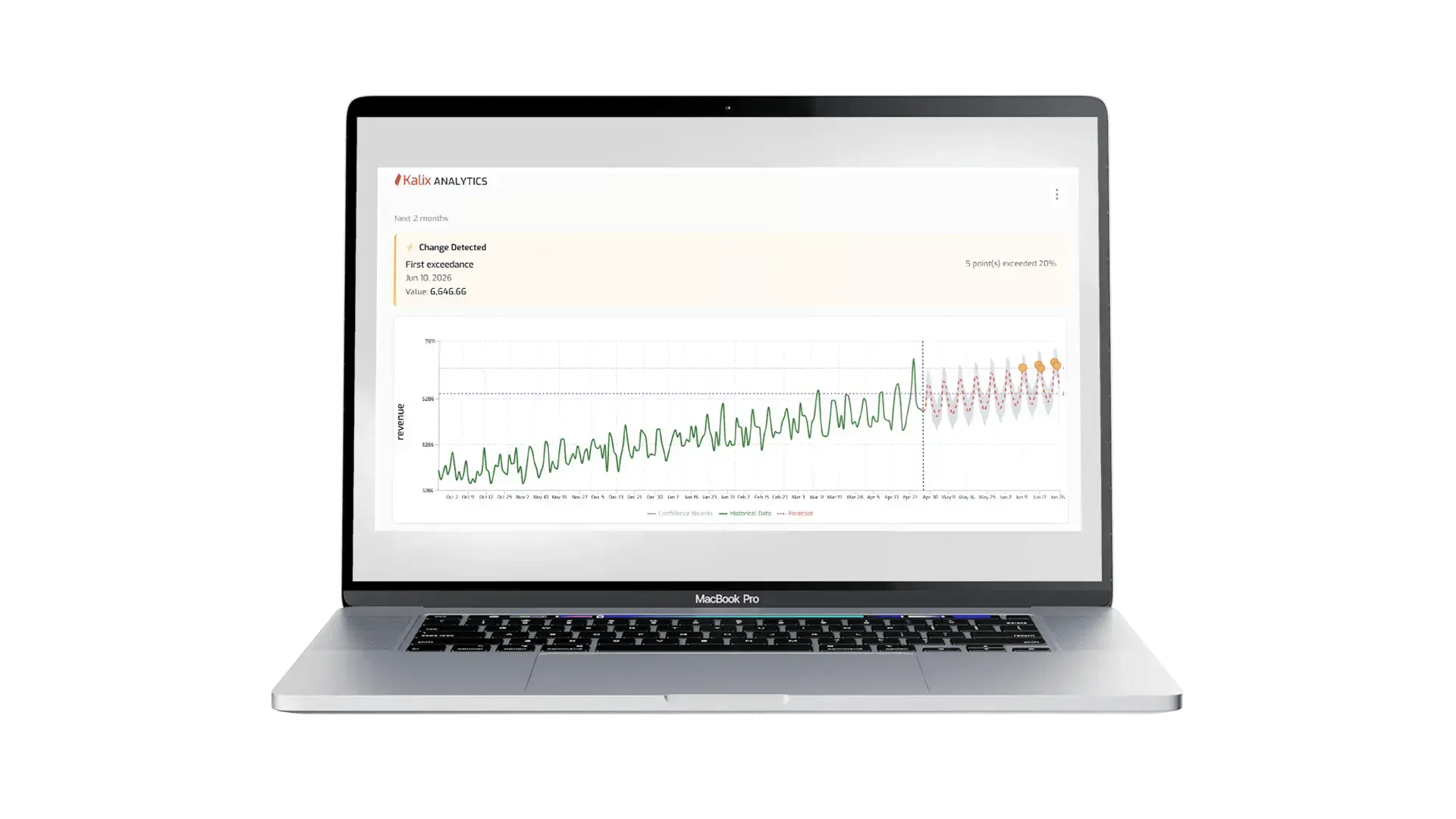
Accurate forecasting is critical for balancing performance, cost, and customer experience. Without reliable predictions, operators risk overprovisioning infrastructure or reacting too late to demand spikes.
AI-driven forecasting provides continuous, data-driven insights into future network behavior - supporting proactive planning, reducing operational risk, and ensuring resources are allocated where they deliver the most value.
Plan capacity based on predicted demand, not assumptions. Anticipate traffic growth and align investments with expected usage to avoid last-minute decisions and costly overprovisioning.

Replace spreadsheet-based forecasting and fragmented workflows with automated, production-ready models that continuously update using live network data.

Identify potential congestion, service degradation, or threshold breaches before they occur, giving teams time to take preventive action.

Optimize CAPEX and OPEX by allocating resources based on accurate forecasts rather than reactive estimates.

AI-powered forecasting combines network data, machine learning models, and automated workflows to deliver continuous predictions at scale. Instead of isolated analyses, operators gain an always-on view of expected demand across network layers and services.
The platform supports the full forecasting lifecycle - from data ingestion and model training to deployment and monitoring - ensuring forecasts remain accurate as network conditions evolve.
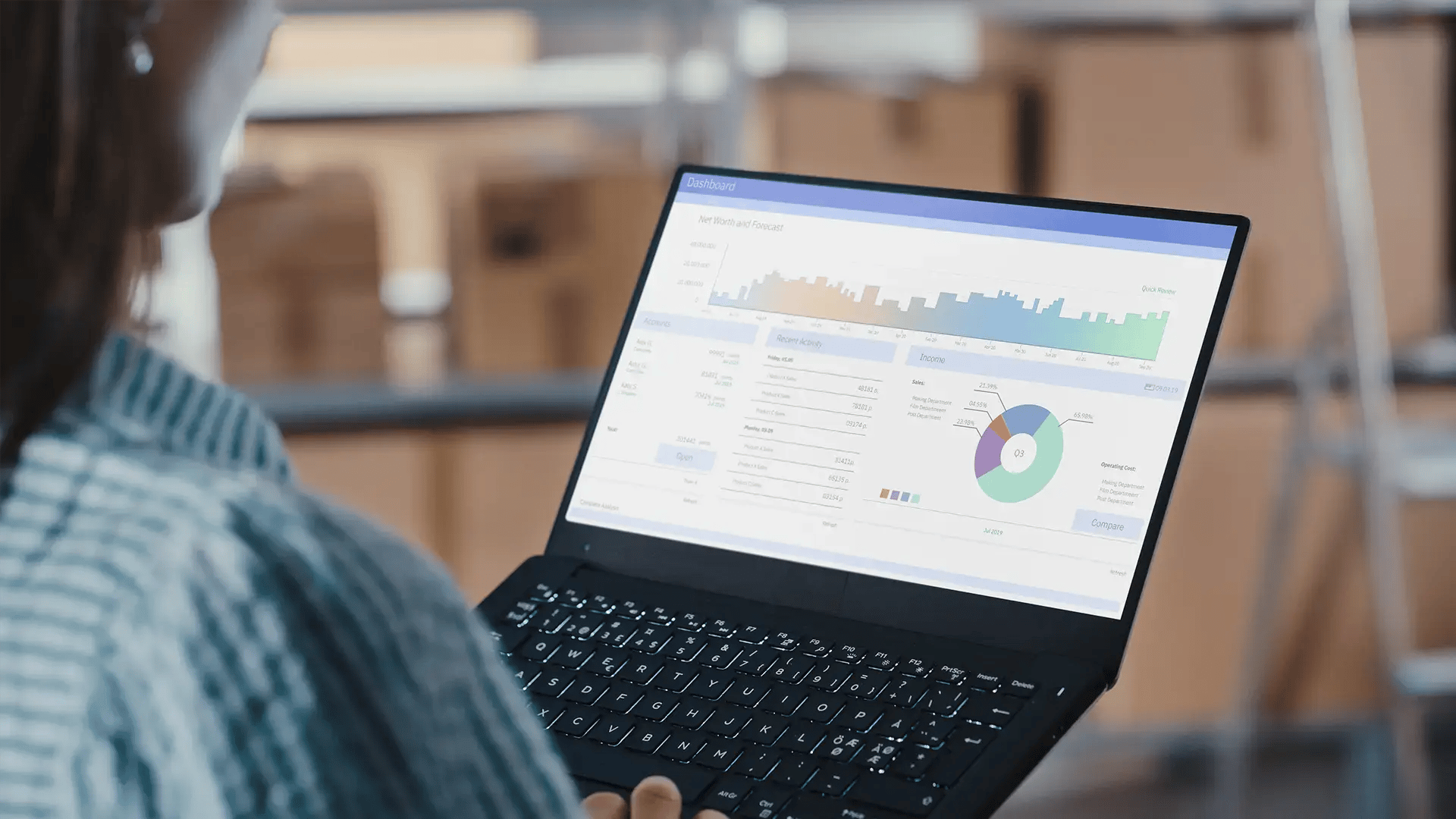
Generate always-on, node-level predictions across network domains, replacing periodic forecasting with real-time visibility.

Compare multiple forecasting algorithms and select the best-performing model for each KPI and use case.

Streamline the end-to-end process - from data ingestion to model retraining and publishing - within a unified platform.

Automatic data pipeline quality verification before committing to long term forecasts to reduce chance of model training errors or inconclusive results.

Enable planners, analysts, and engineers to configure, run, and deploy forecasting models without complex scripting.

Detect and alert on predicted threshold breaches early, enabling preventive action before performance degrades.








Modernize Your Data Backbone to Power Real Time AI and Automation
Our solution integrates optimized data movement and DataOps processing to extract, transform and load your data into efficient pipelines – ready for cross-domain analytics, automation and AI.
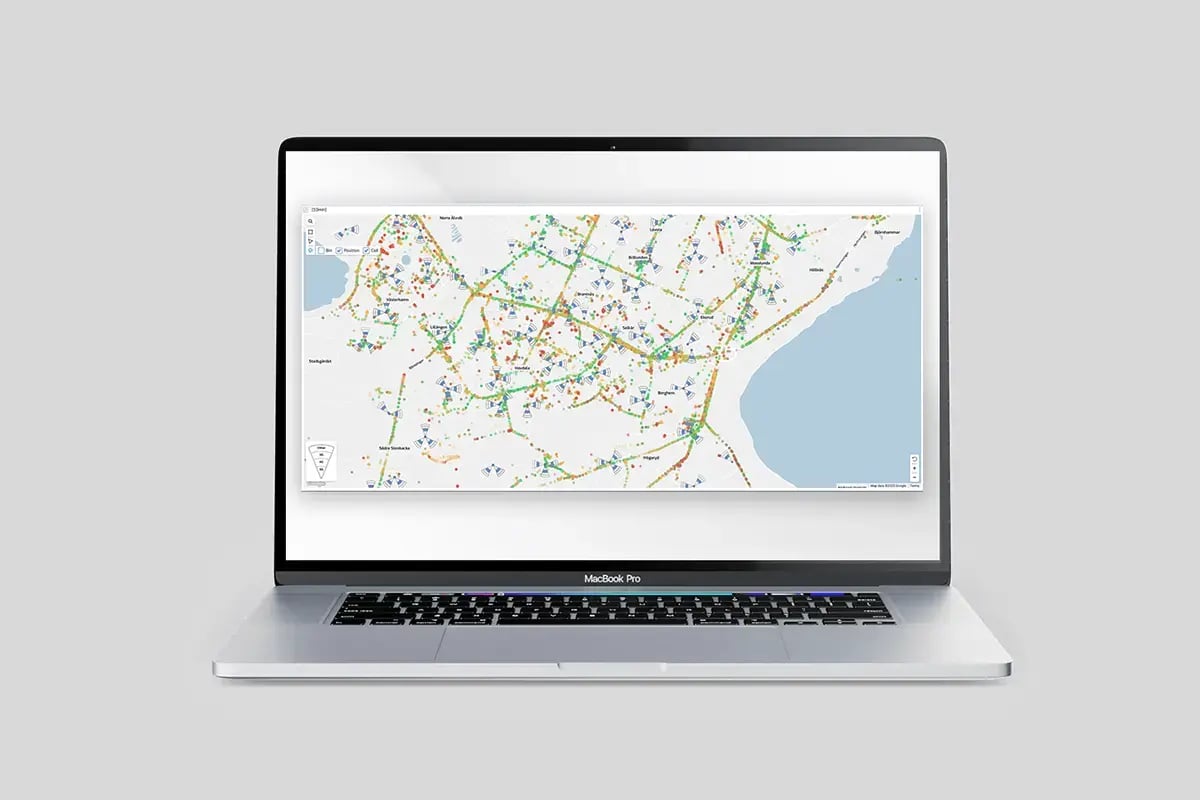
Use our ML-based geolocation to spot coverage issues
Our RAN monitoring solution visualizes radio performance data on Google Maps, offering a clear, geographic view. This enables users to analyze and resolve network coverage issues while pinpointing root causes.

Every Anomaly Is a Signal
Our AI continuously learns expected performance patterns and flags deviations that indicate potential service disruptions - giving you earlier insights, fewer false alarms, and more time to protect customer experience.
See how Polystar brings AI and ML into telecom operations.

Watch our on-demand session to explore Agentic RAG in telecom, featuring insights from our Head of AI Solutions and team. Access it here.
The Telecom Industry is facing a deep transformation. Read about the CSP status, as well as the drivers for transformation. Download here


Discover how forecasting critical network KPIs in advance helps operators plan capacity, prevent congestion, and maintain consistent service quality.