
Your AI Journey: Finding the Use Cases That Matter
Improving operational efficiency with AI is non-negotiable in telecommunications. Discover how targeted AI use cases can deliver immediate value.

Learn what Network slicing is and how it helps unlock the full potential of 5G and transform the ways industries connect, innovate, and improve performance.
Listen to this article

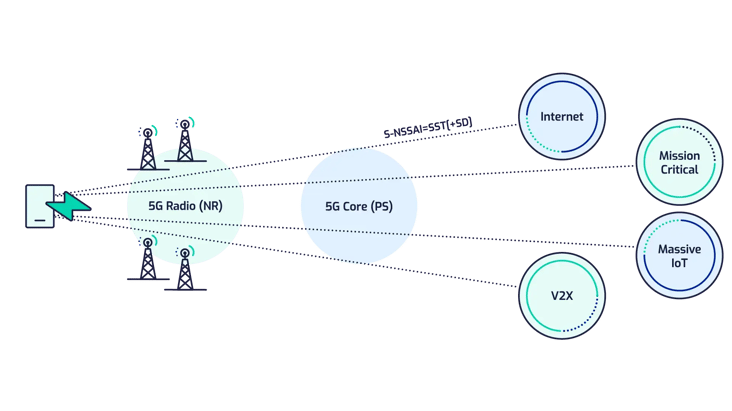
5G SA networks (also referred to as 5G core architecture), are designed to support slicing, enabling a growing number of foundational services. In short, these are:
5G slicing leverages several technologies and principles from cloud computing, software-defined networking (SDN), and network function virtualization (NFV).

5G slicing enables telecom providers to create multiple virtual networks on a single physical infrastructure, each optimized for specific use cases. This flexibility allows businesses to cater to diverse needs, offering significant revenue generation and operational efficiency.
A dedicated low-latency, high-reliability slice ensures real-time communication between vehicles and infrastructure – essential for safe operation.
Factories can use slicing to separate the networks for machinery control, monitoring, and employee communication, each with its own reliability and latency needs.
IoT devices like sensors, cameras, and smart meters can operate on a dedicated slice optimized for handling massive numbers of connections with low data throughput.
AR and VR applications require high bandwidth and low latency to deliver immersive experiences. Specific network slices can be tailored for these requirements to ensure seamless performance.

Network slicing has been acclaimed as the key to future revenue growth from 5G SA network investments. However, network slicing has not been gaining momentum as rapidly as expected, and its potential has been questioned. We discussed this in a previous blog post: Unlocking the problem of slicing – what does this really mean
Each generation of mobile technology has a lifespan of around ten years before another emerges. With 2025 around the corner, we’re soon to reach the half-way point for the fifth generation.
As reported by the GSMA, 5G has now achieved approximately 20% global penetration, with some countries nearing or surpassing 50%, as highlighted in an article from the GSMA Intelligence Media Centre. We have reached this milestone more quickly than any prior generation of mobile technology. With this in mind, 5G SA and slicing might be on the way to success.
As already mentioned, 5G network slicing offers tailored connectivity by creating virtual networks optimized for specific applications, ensuring businesses get the performance they need for diverse use cases.
Let’s dive into the specific advantages of network slicing:
Network slicing allows operators to guarantee specific performance characteristics (e.g., latency, bandwidth, reliability) for each slice, ensuring that different applications receive the service quality they need.
By tailoring each slice to its specific requirements, network slicing optimizes resource allocation, reducing waste and improving efficiency.
Operators can dynamically create and manage slices in response to changing conditions or new service demands. This flexibility allows for rapid adaptation and innovation without the need for extensive modifications to the physical network.
Each slice is isolated from the others, which enhances security by preventing any slice from interfering with or accessing data from another. This isolation is crucial for supporting mission-critical applications like emergency services or industrial automation.

Slicing requires cloud-native 5G SA networks, which are more complex for operators to manage and monitor.
When offering advanced services based on 5G slicing, users’ expectations for the experience they receive increase accordingly. Simply put, customers using slice-based services pay more and have higher requirements for connectivity and latency. As a result, network monitoring and analytics become even more important.
Many MNOs are now realizing they need to invest in updated software for monitoring network performance and data analytics reflecting the user experience in real time. This is critical for successful 5G monetization.
Operators will find themselves in a situation where their legacy systems must continue to function alongside new solutions for advanced 5G SA networks and network slicing services.
Network slicing is a transformative capability in modern telecom networks, particularly with the rollout of 5G SA networks.
It allows operators to provide customizable, efficient, and secure network experiences tailored to various use cases, driving innovation and optimizing resource use.
By enabling flexible, on-demand creation of dedicated network slices, telecom operators can meet the specific requirements of a wide range of industries and applications, from IoT to mission-critical communications and immersive media.
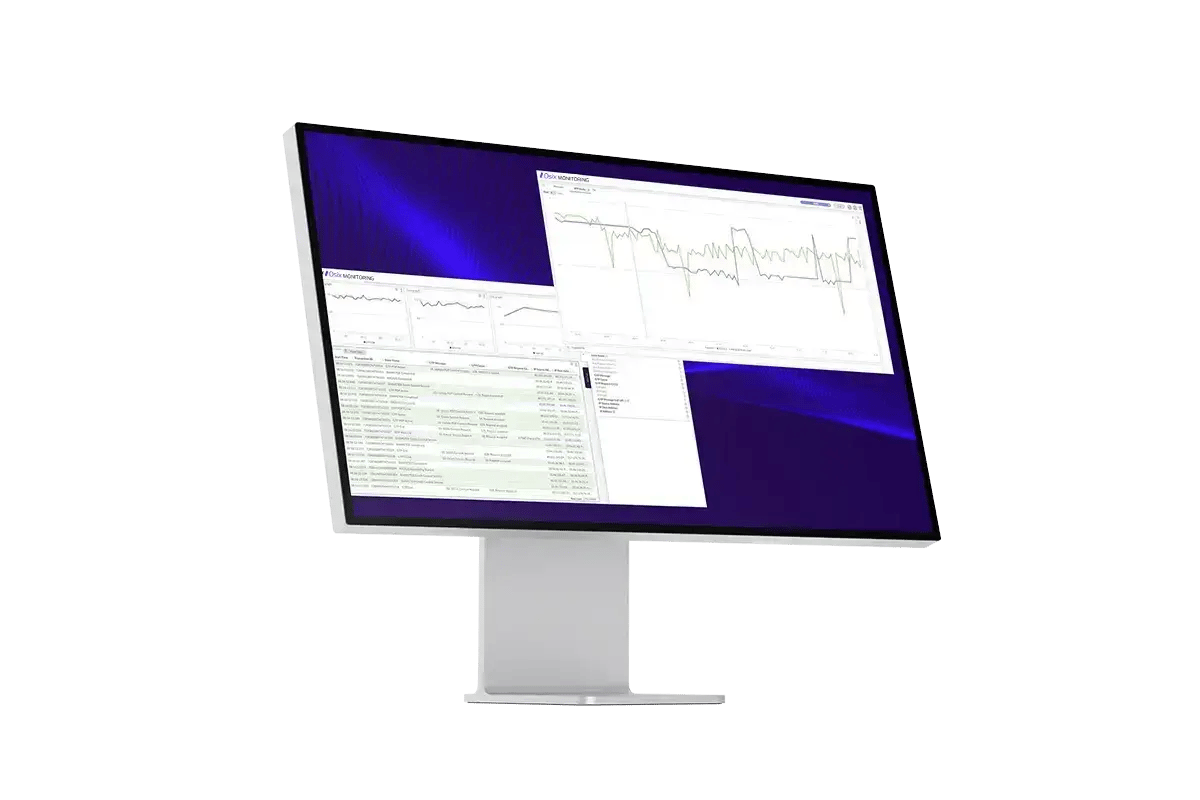
At Polystar, we deliver real-time insights into CX, network performance, and service quality. Our Service Assurance Solution span technologies from 2G to 5G SA, ensuring the superior CX required for a successful 5G launch and sustained excellence beyond.
With our proven expertise, we’re already empowering over 30 CSPs globally to monitor 5G SA networks effectively. Our advanced, vendor-neutral telco analytics seamlessly integrate with our monitoring solutions, providing comprehensive visibility and actionable intelligence.