Managing Complex Hybrid Assemblies
Combining mechanical, electronic, and material-based processes such as rubber, plastic, and metal forming requires precise synchronization between machines, quality systems, and production workflows.
Empowering automotive component and mechatronic system manufacturers with camLine MES solutions for quality, traceability, and operational excellence.
Automotive component manufacturing requires precise coordination between mechanical assembly, electronic integration, and material logistics. As vehicles evolve toward more advanced mechatronic systems, ensuring process stability and full traceability has become critical for consistent performance and safety.
camLine MES solutions address these needs with integrated process control, material flow management, and real-time analytics. Through its modular architecture, camLine enables automotive suppliers to sustain high quality standards, improve production efficiency, and drive continuous improvement across global operations.

Automotive manufacturers are strengthening process stability and data transparency to meet the growing complexity of mechatronic and electronic component production. The priority is to ensure consistent quality across global operations while meeting evolving OEM requirements and regulatory standards.
Key industry trends include:
Challenges
Combining mechanical, electronic, and material-based processes such as rubber, plastic, and metal forming requires precise synchronization between machines, quality systems, and production workflows.
Distributed manufacturing sites must maintain identical quality levels, requiring global visibility and standardized process enforcement.
OEMs and Tier-1 suppliers (key component and system providers) demand end-to-end traceability of parts, batches, and process parameters for warranty, safety, and compliance purposes.
Automotive lines depend on continuous uptime — making predictive maintenance and automated process control essential for consistent yield.
JIT (Just-in-Time) and JIS (Just-in-Sequence) production models require synchronized logistics and real-time material availability to keep assembly lines running without interruption.
Frequent design updates and variant changes require manufacturing systems that enable quick reconfiguration without compromising quality or throughput.
How we help
Who we help
We support manufacturers in achieving consistent, traceable, and efficient production of complex mechatronic systems and rubber–metal components used in automotive applications.
Tier-1 suppliers deliver complete systems directly to automotive OEMs, while Tier-2 suppliers provide specialized parts and materials. camLine’s MES solutions help both levels standardize manufacturing execution across global sites, ensuring process consistency, quality, and compliance with OEM requirements.
Through open interfaces and vendor-independent integration, camLine connects MES with diverse automation systems to create flexible, data-driven production environments.
camLine’s MES solutions connect process engineering, pilot production, and mass manufacturing in a single data framework. This continuity helps OEMs and innovation teams validate new processes efficiently and scale them to full production with consistent quality and control.
Talk to our expert
Our team is ready to deliver tailored MES/MOM solutions that streamline your production, improve product quality, and maximize efficiency across your operations. Tap into camLine’s decades of expertise in digital transformation to overcome your manufacturing challenges.
FAQ
Hybrid assemblies combine mechanical, electronic, rubber, plastic, and metal-forming processes that must remain synchronized. MES provides a common execution and data framework across these steps, helping teams coordinate production, preserve traceability, and maintain consistent quality as product variants and process complexity increase.
LineWorks MES Mechatronics manages flexible, high-precision assembly lines and coordinates the production context shared by mechanical and electronic operations. The configured process should define routes, materials, equipment, quality checks, data collection, exceptions, and the handoffs between each manufacturing discipline.
End-to-end traceability links parts, batches, materials, process parameters, production steps, and quality results. This gives Tier-1 and Tier-2 suppliers the history needed to answer OEM questions, investigate a warranty or safety concern, and identify which products share the same production conditions.
LineWorks SPACE continuously monitors process data and identifies deviations early, helping quality and process teams act before variation spreads. SPC supports zero-defect objectives by prioritizing abnormal conditions for investigation; it does not by itself guarantee defect-free production or determine the final disposition.
LineWorks PULSE tracks equipment performance, exposes bottlenecks, and supports predictive-maintenance decisions. Maintenance and production teams can use this visibility to prioritize equipment that threatens throughput, but they still need agreed failure indicators, maintenance rules, response ownership, and verification of the completed work.
LineWorks WIP provides real-time tracking and performance insight across production. Better visibility of work in progress, status, and bottlenecks helps planners and production teams adjust schedules and respond to disruptions across shifts without waiting for delayed manual reports.
Just-in-Time (JIT) and Just-in-Sequence (JIS) production depend on delivering the correct material and carrier at the required time and sequence. LineWorks MaMa and LineWorks CarMa coordinate material and carrier movement to support synchronized logistics. The project must define identities, priorities, locations, move ownership, exceptions, and recovery.
LineWorks mDICE correlates production, process, and quality data so teams can examine relationships across the manufacturing history. This reduces the effort required to assemble data for an investigation and helps engineers identify factors that warrant confirmation through process review, testing, or corrective action.
Yes. camLine MES supports a common manufacturing execution and data framework across automotive production sites. Core workflows, traceability structures, quality definitions, and reporting can be standardized while equipment connections, product variants, and approved operating rules remain locally configurable.
The rollout governance model should clearly define which elements are global, which can be adapted locally, and how changes are approved and deployed.
Yes. camLine MES can connect process engineering, pilot production, and mass manufacturing within a common data framework. This continuity helps teams carry approved process definitions, production data, and quality criteria into industrialization and scale-up without losing traceability.
Successful transfer still requires controlled definitions, traceable changes, comparable data, acceptance criteria, and clear ownership between engineering and production teams.
We believe successful software implementation requires more than great technology—it needs people who understand your business. Our co-development model with industry leaders ensures solutions address real-world challenges.
Discover how camLine software solutions address key challenges across industries and all aspects of manufacturing operations in the video series.
Explore our resource library to discover how camLine supports high-tech manufacturers in enhancing quality, efficiency, and reliability.
A strategic partnership that enables enhanced traceability and operational efficiency
camLine to implement MES solutions at Enel's 3Sun Gigafactory, boosting solar panel production capacity and enabling end-to-end process integration.
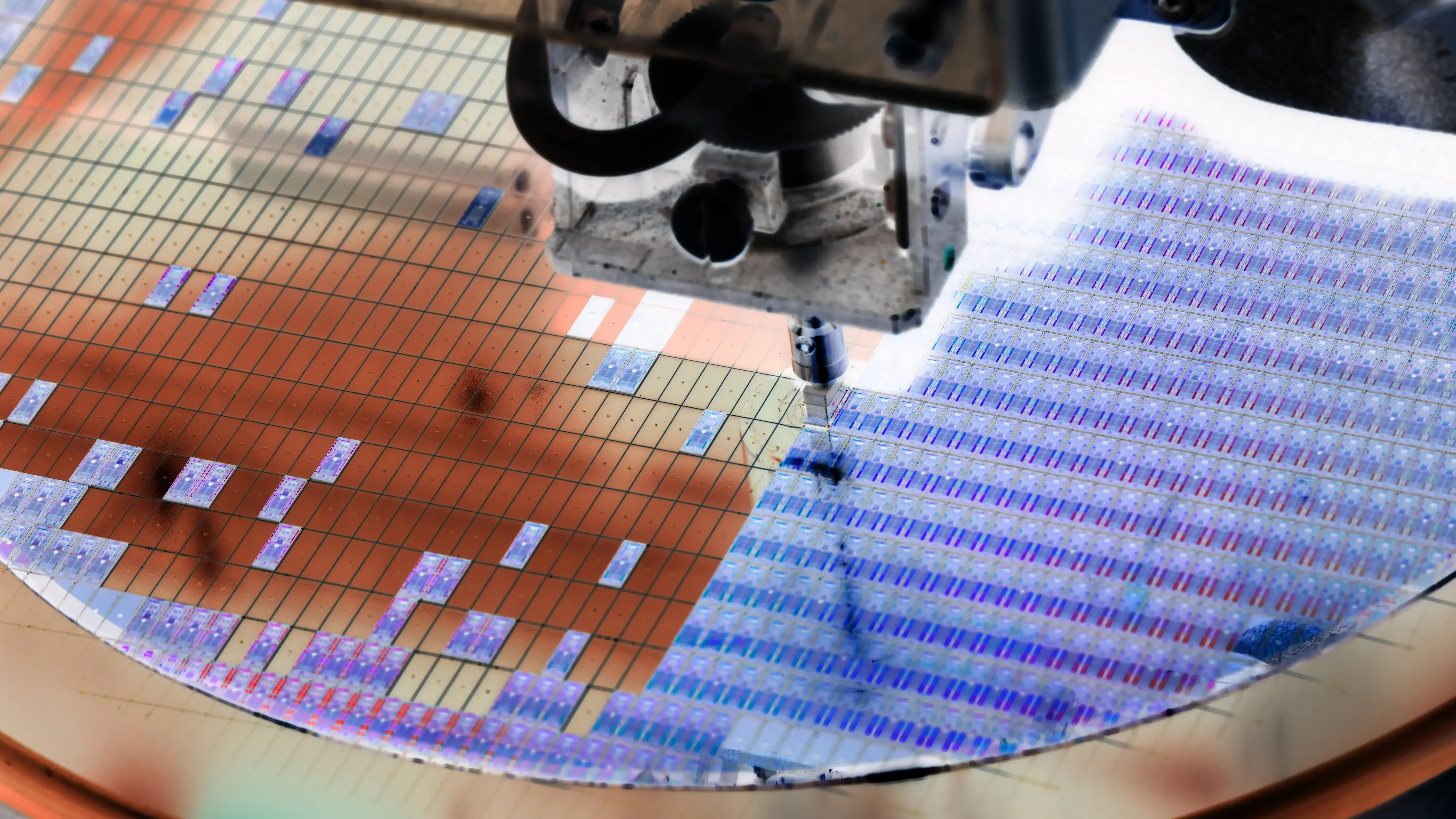
Discover how Axetris transformed semiconductor production by digitizing with MES—boosting efficiency, reducing errors, and enhancing traceability.
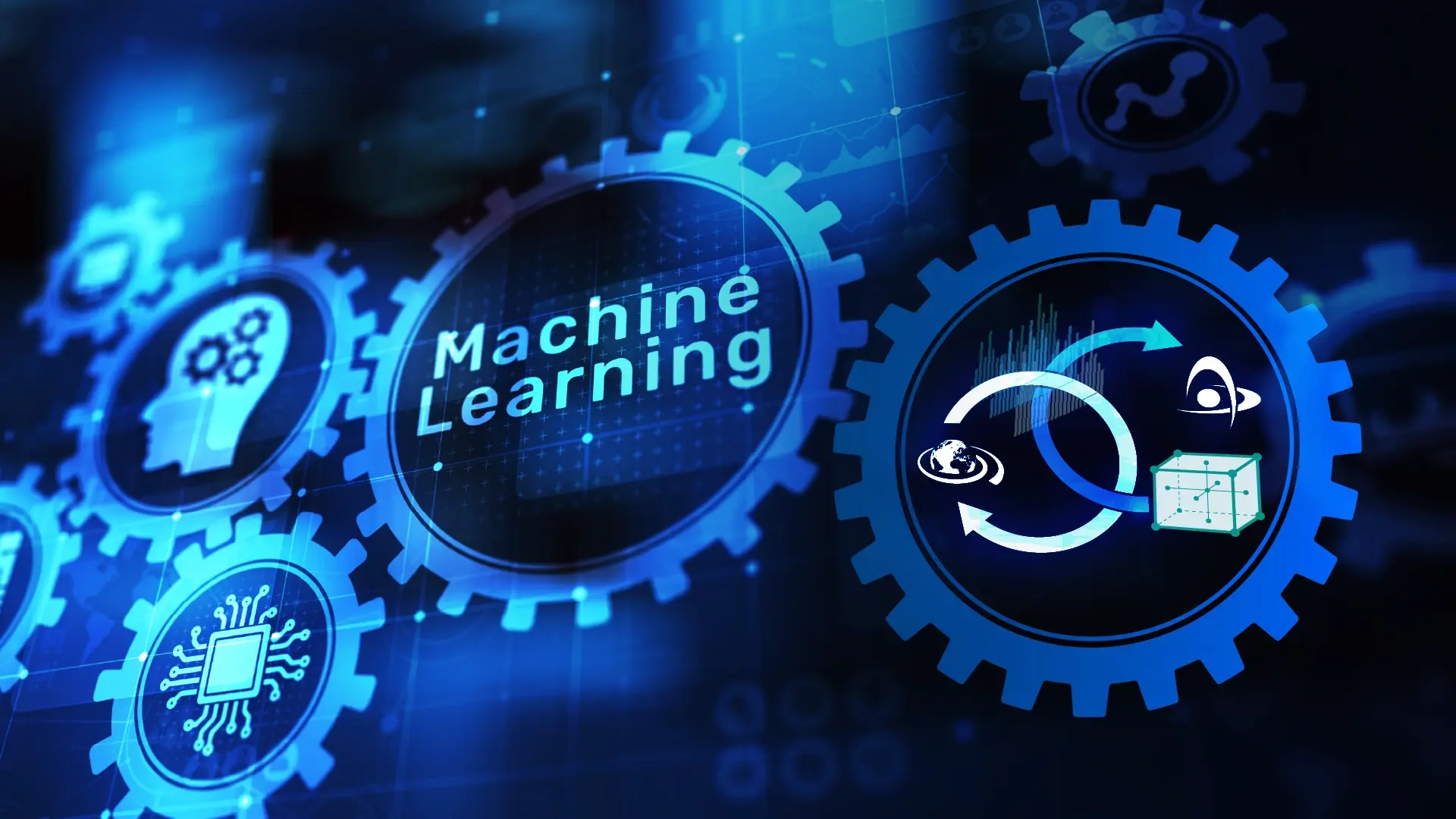
Learn how STMicroelectronics improves shopfloor analysis and anomaly detection with ML-driven advanced SPC solutions for better process control.
Our team is ready to deliver tailored MES solutions that streamline your production, improve product quality, and maximize efficiency across your operations. Tap into camLine’s decades of expertise in digital transformation to overcome your manufacturing challenges.