
How AI Will Deliver Value in 2026 | Polystar Telco Predictions
AI has rapidly gone from buzzword to ubiquity. As 2026 approaches, the real question is: where is the true value, and how do we unlock it?

Learn how AI and machine learning boost telecom operations - starting with AI-powered anomaly detection that spots and resolves issues faster.

Listen to this article
Discover how emerging Artificial Intelligence (AI) and machine learning technologies can
enhance operational efficiency in telecom operations. In this first article of a three-part series, we' ll explore how AI-powered anomaly detection can help teams identify and address issues
more effectively.
Telecom networks generate massive Key Performance Indicator (KPI) volumes across
thousands of cells, Base Station Controllers (BSCs), Radio Network Controllers (RNCs), and core elements. Manual monitoring and static thresholds cannot keep up and flood operations teams with noise. AI-powered anomaly detection turns this data into a concise, prioritized alert list that protects Service Level Agreements (SLAs) and customer experience.
The system continuously learns the normal behavior of each KPI, including daily and weekly seasonality. Thresholds adjust automatically as the network evolves, so you maintain detection accuracy without constant rule tuning. Your Network Operations Center (NOC) sees fewer false positives and can trust that raised alarms reflect meaningful network degradation.
When anomalies occur, the system doesn't stop at single KPI spikes. Related deviations are grouped, scored, and linked to the most affected parts of the network. Operations teams receive clear, actionable alerts that show impact and context instead of scattered, low-value warnings.
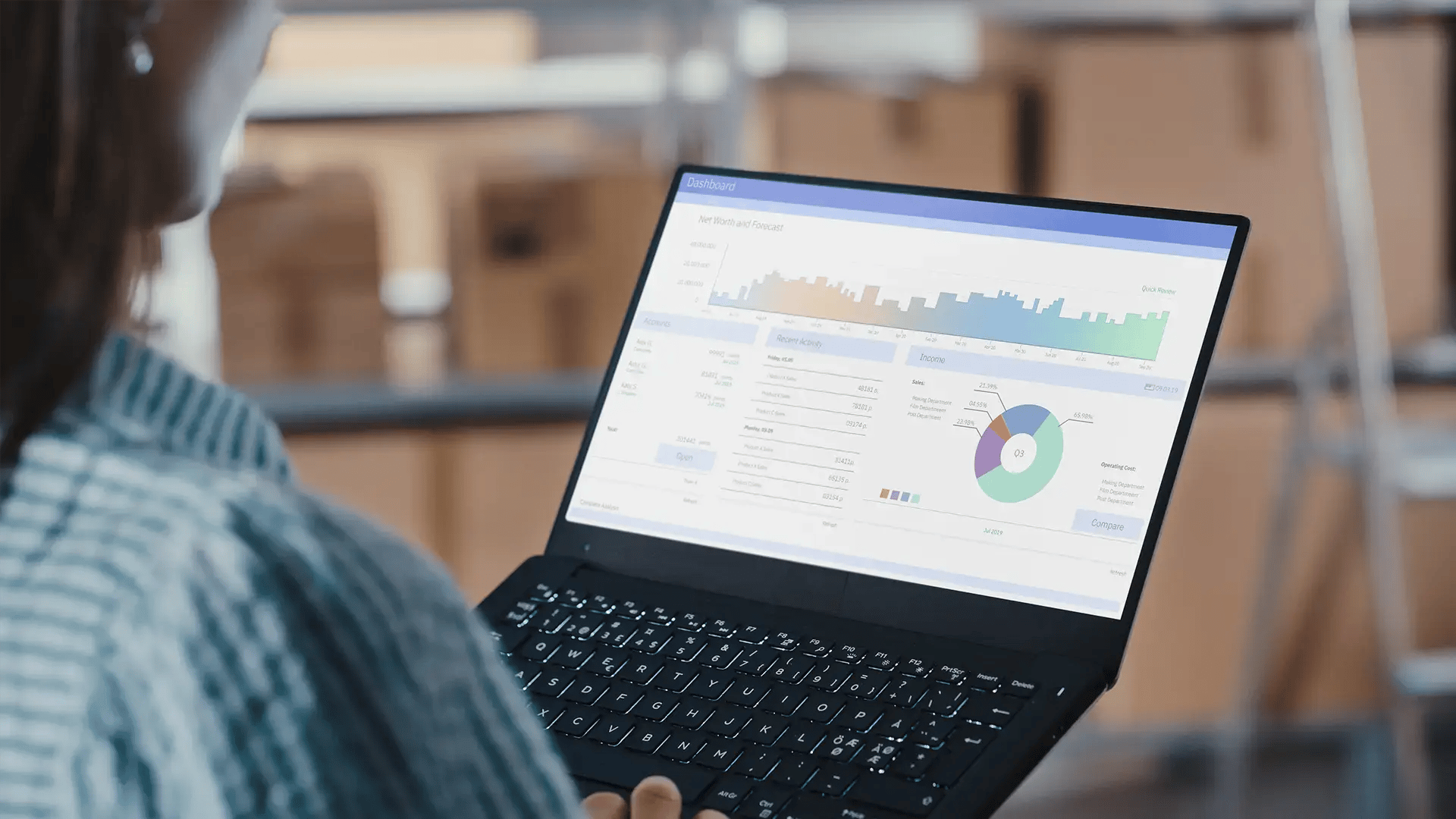
The detection engine adapts to each KPI and traffic pattern automatically, from busy-hour peaks to weekend shifts. You no longer need to constantly re-tune thresholds when 5G traffic grows, new services launch, or usage patterns change. The result is stable, reliable anomaly detection that keeps pace with your network's evolution.
When something breaks, your engineers need to know where to look first. Automated root cause analysis highlights which cells, BSCs, RNCs, regions, or services contribute most to each anomaly. Your team sees exactly which parts of the network drive the issue, without manually slicing and dicing large KPI datasets.
Not all anomalies deserve the same attention. The system scores anomalies by their impact and duration, then groups related events into incidents that mirror real network problems. NOC teams can immediately focus on the few high-severity incidents instead of hundreds of minor alerts.