
Real Time Inventory Visibility in SMT Lines
Table of content
Listen to this article
Real Time Inventory Visibility in SMT Lines
Key Takeaways
- SMT production depends on having the correct and valid materials available when each scheduled job requires them.
- Real-time inventory visibility helps production and material teams identify shortages before they interrupt the line.
- LineWorks connects material availability and usage with the relevant production context.
- Current inventory, production, and machine-utilization information supports more informed replenishment, allocation, and scheduling decisions.
Surface-mount technology (SMT) production involves hundreds of materials with different validity periods and usage requirements. When inventory information is delayed or distributed across separate records, production teams may discover shortages, expired materials, or allocation problems only when a scheduled job is ready to run.
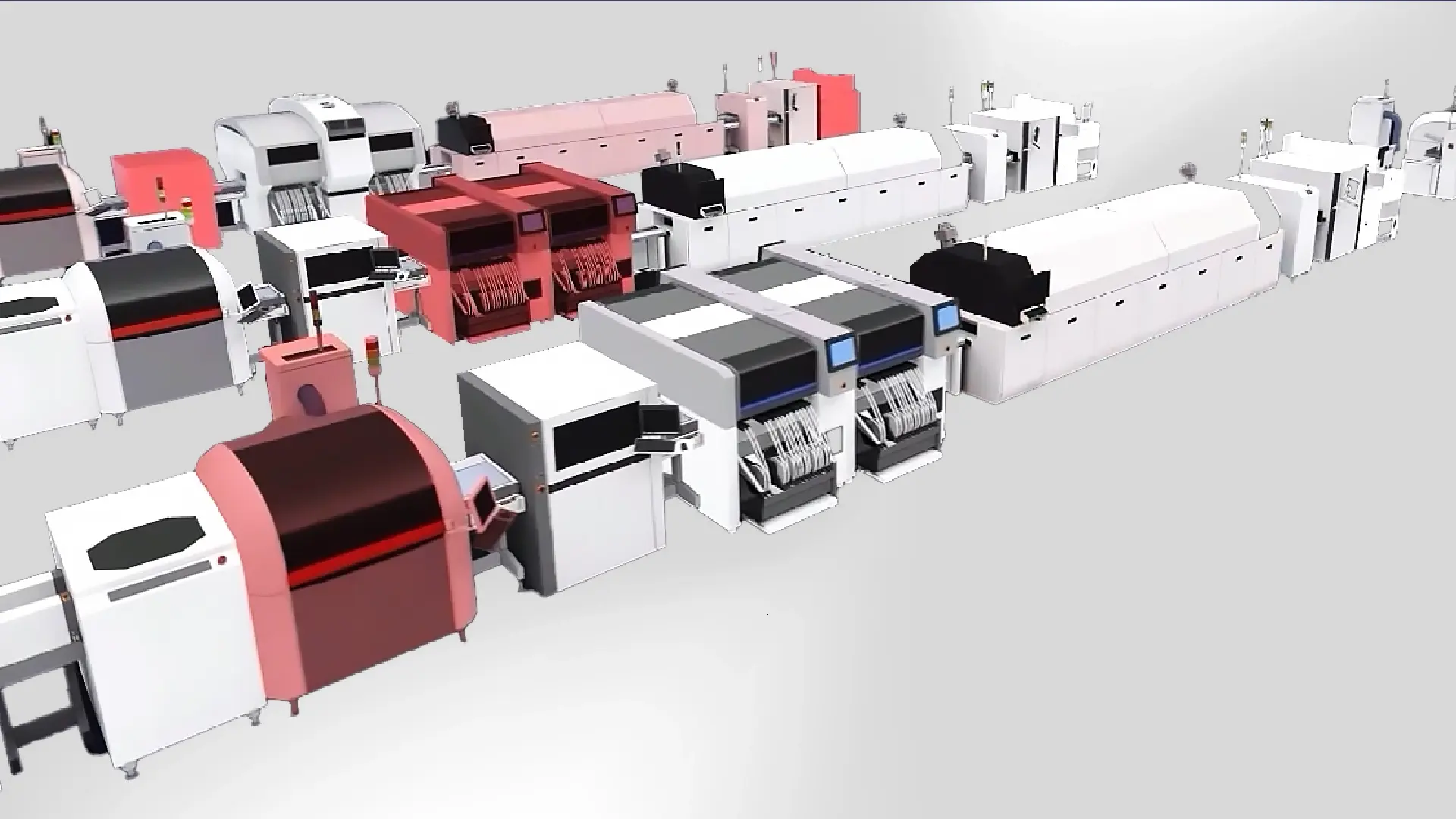
This Work Smarter video shows how LineWorks Suite, camLine’s modular MES software, provides real-time visibility into material availability and usage. It connects inventory information with production and machine-utilization context to support just-in-time material planning and more informed operational decisions.
Why Current Material Information Matters in SMT Production
Knowing that a component exists somewhere in inventory is not enough. Production teams need to understand whether the required material is available, valid, and accessible for the scheduled product and line.
Without current information, planners may allocate materials based on outdated records while line teams discover the actual shortage during setup or production. This can lead to avoidable interruptions, last-minute substitutions, excess stock, or unused materials reaching the end of their validity period.
Real-time inventory visibility gives material planners and production teams a shared view of the current state. This makes it easier to respond when availability or usage changes.
How LineWorks Suite Supports Real-Time SMT Inventory Visibility
LineWorks connects material information with the production context available from the manufacturing workflow. Teams can review what is available, how materials are being consumed, and how the current inventory state may affect scheduled production.
Table 1. Four Areas of Inventory Visibility for SMT Production
| Visibility area | How it supports SMT operations |
| Material availability | Shows whether the required materials are available for scheduled production. |
| Material usage | Provides current information about how materials are consumed during production. |
| Production traceability | Connects material usage with the relevant production order and process context. |
| Planning visibility | Combines material, production, and machine-utilization information to support replenishment, allocation, and scheduling decisions. |
Connect Material Information with Production Decisions
Real-time inventory visibility helps teams respond to the current material situation instead of reconciling separate or outdated records.
LineWorks Suite provides the production context needed to connect material availability and consumption with the jobs running across the SMT line. This supports more informed material planning while strengthening traceability between inventory and production.
FAQ
Q: Why is real-time material visibility important on an SMT line?
A: Real-time material visibility is important because SMT teams need to confirm that the correct and valid components are available before production needs them. Without current material information, shortages, expired materials, excessive stock, or last-minute substitutions can cause avoidable line interruptions.
Q: What is the difference between SMT inventory visibility and material traceability?
A:
-
SMT inventory visibility shows the current availability, location, and status of materials. It supports line readiness and replenishment.
-
Material traceability records which materials were used during a specific production activity. It supports quality investigations and production-history reviews.
Q: How does LineWorks Suite support real-time inventory visibility in SMT production?
A: LineWorks Suite supports real-time inventory visibility by connecting material inventory activity with ongoing production. Its production-logistics capabilities can track stock entries and withdrawals, synchronize inventory information with production activities, and associate material usage with manufacturing data.
The available visibility depends on the configured material data, transactions, and system interfaces.
Q: How does LineWorks Suite connect material usage with production traceability?
A: LineWorks Suite connects material usage with production traceability by linking material information to the relevant production data.
This allows teams to identify which materials were used for a particular product or production order and review their movement and consumption history. Reliable traceability depends on accurate material identifiers, complete transactions, and consistent data from the connected production and material systems.
Q: Can real-time inventory visibility support material replenishment and SMT line planning?
A: Yes. Real-time inventory visibility helps planners determine whether the materials required for scheduled production are available and where a shortage could affect the line. When combined with material-usage and machine-utilization information, it supports more informed replenishment, allocation, and scheduling decisions.
Manufacturers must still define inventory buffers, material-validity rules, approved substitutions, and responsibilities for resolving exceptions.
Q: What should an SMT manufacturer validate before relying on real-time inventory data?
A: An SMT manufacturer should validate that every supported material transaction updates the inventory state accurately and within the required timeframe. The evaluation should cover:
- material receipt and issue;
- material consumption;
- split and partial reels;
- returns and scrap;
- approved substitutions;
- production order changes;
- missing or delayed transactions; and
- inventory reconciliation.
The team should also confirm that users can trace a discrepancy to its source and understand how uncertain or invalid material states are handled before production continues.
Let’s Discuss Solutions Together
Tap into camLine’s decades of expertise in digital transformation to overcome your manufacturing challenges.