
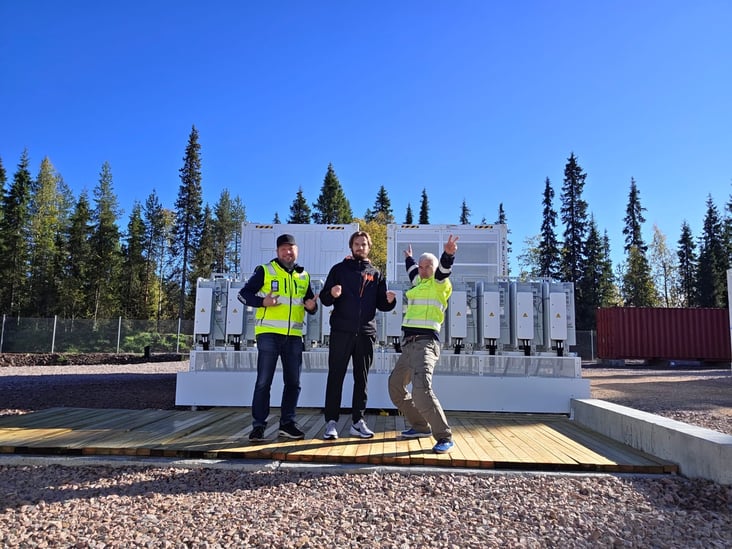
A case study of how Elisa Industriq’s Gridle team brought one of Europe’s northernmost utility-scale batteries from commissioning to commercial operation. The 10 MW / 20 MWh battery is located in Sodankylä, Finnish Lapland. The battery was developed by Forus and is majority owned by Suomen Sähköverkot Oy.
Listen to this article
Why commissioning happens on site
Today, Gridle optimizes and controls the battery remotely. But before reaching that point, the connection between the physical asset and Gridle’s systems had to be tested with the actual battery.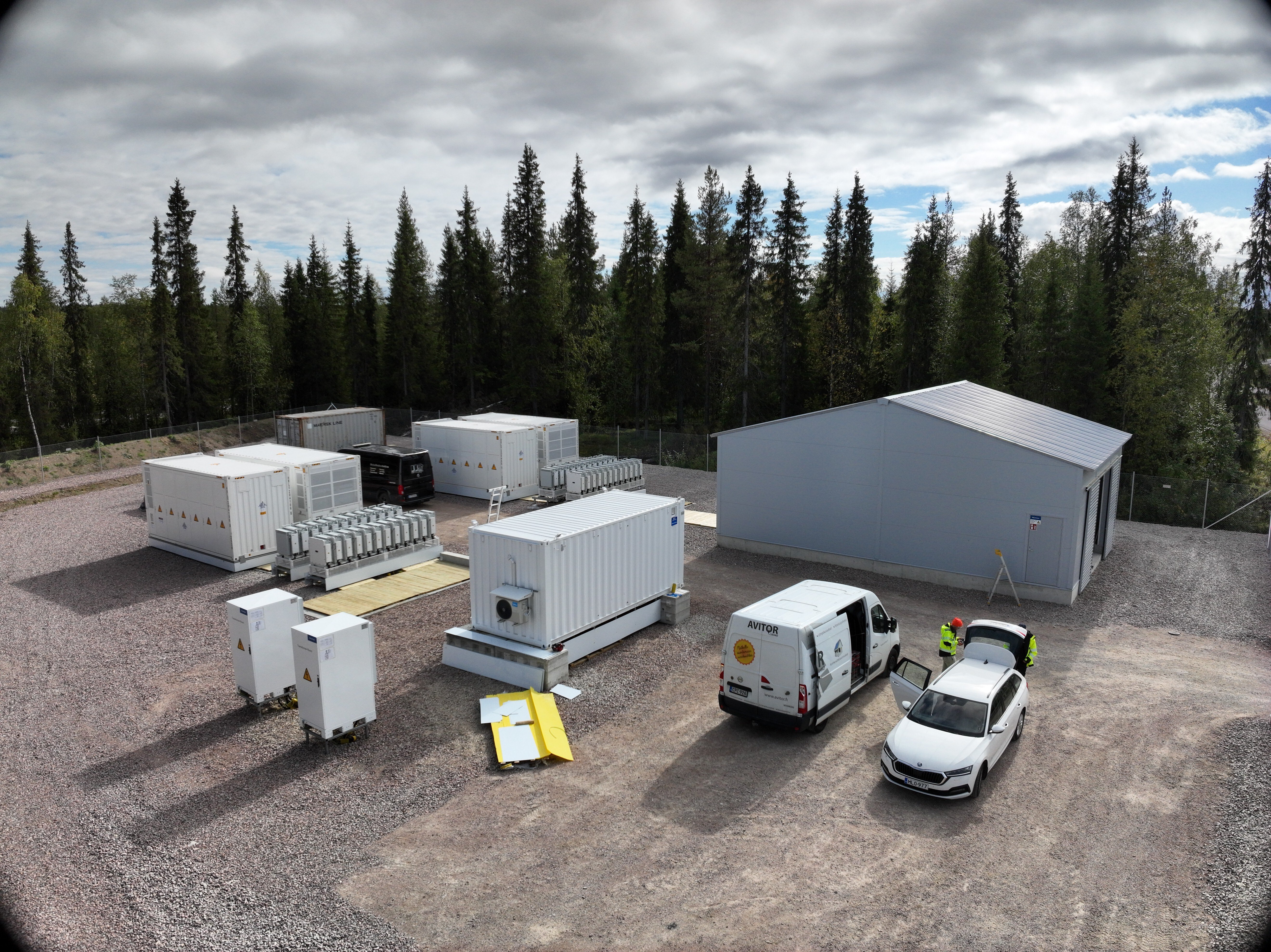
At the centre of this connection is Gridle’s Energy Management System (EMS). In practice, the EMS is the control layer between the battery and Gridle’s optimization platform. It receives information from the site, translates optimization decisions into control commands for the battery and enables Gridle to operate the asset remotely.
During commissioning, however, it was important to see how those commands translated into actual behaviour at the site. The battery, power plant controller, communications and Gridle’s EMS all needed to respond as intended, including when operating at full power or when something unexpected happened.
“We are always ready to go the extra mile to make sure everything works as it should. You can do a lot remotely, but commissioning is where software meets the physical asset. Being on site allowed us to see immediately how the battery responded to our commands, solve issues together with the other project partners and verify that the whole system worked as intended before moving into commercial operation,” says Jani Kanninen from Gridle.
Three days of hands-on commissioning
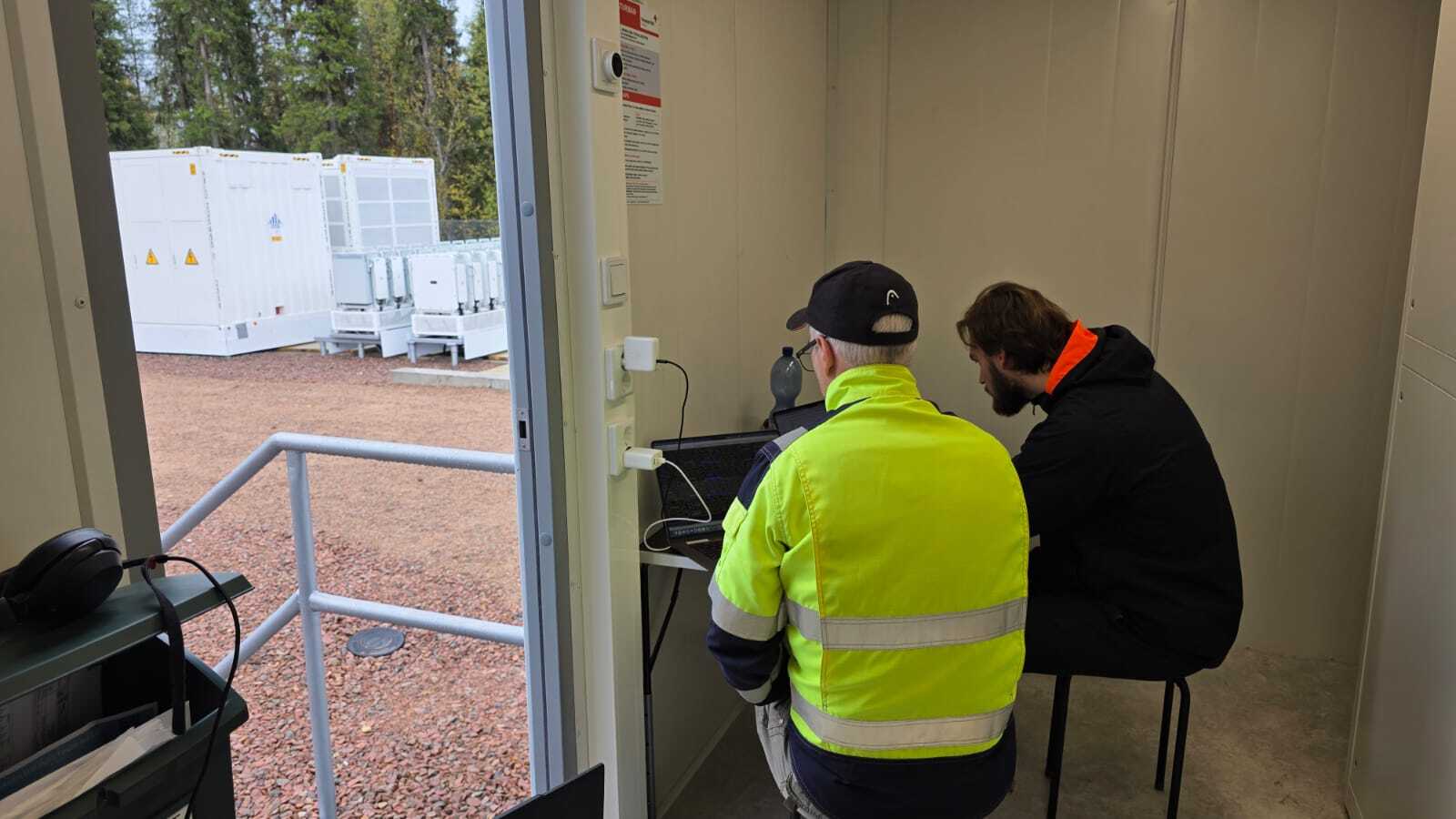
Over three days in Sodankylä, the Gridle team worked closely with the project partners, such as EPC contractor OKQ8 to integrate the battery and its power plant controller with Gridle’s EMS.
The work started with establishing and verifying the connection between the site and Gridle’s systems. From there, the team moved into live testing: sending control commands to the battery, monitoring how the physical asset responded and gradually increasing the power from initial tests all the way to the full 10 MW in both charging and discharging.
The commissioning also included tests required for participation in Fingrid’s ancillary markets, including aFRR, FCR-D and FCR-N.
Not everything worked perfectly on the first try, which is exactly why the team was there. During testing, Gridle engineers identified issues affecting the control of the battery, made adjustments to the EMS and tested the changes immediately against the physical asset.
Just as importantly, the team verified critical safety functionality. If communication with Gridle’s EMS is lost, the site controller detects the interruption, safely brings the battery’s power to zero and resumes operation once connectivity is restored.
The work was not simply about following a predefined test plan. It was about verifying that the complete chain, from Gridle’s optimization and EMS to the site controls and the physical battery, worked together reliably before the asset entered commercial operation.
“It’s great to see the battery successfully move into commercial operation. Gridle’s team has worked quickly and reliably throughout the process, and we can now start utilizing the battery across different electricity markets,” says Christian Kumpula, who was closely involved in developing the battery and selecting Gridle as its optimizer
From the battery site to the electricity markets
Following the successful commissioning, the nature of Gridle’s work changed. The physical presence in Sodankylä gave way to remote, automated operation.
Gridle will be trading and optimizing the Sodankylä battery across multiple electricity markets. Gridle continuously evaluates where the battery’s flexibility can create the most value, from wholesale electricity trading to Fingrid’s ancillary markets.
The optimization takes into account market opportunities as well as the battery’s current state and technical capabilities, determining when to charge, discharge or reserve capacity for ancillary services. Gridle manages the market participation and translates these decisions into the actual operation of the battery through its EMS.
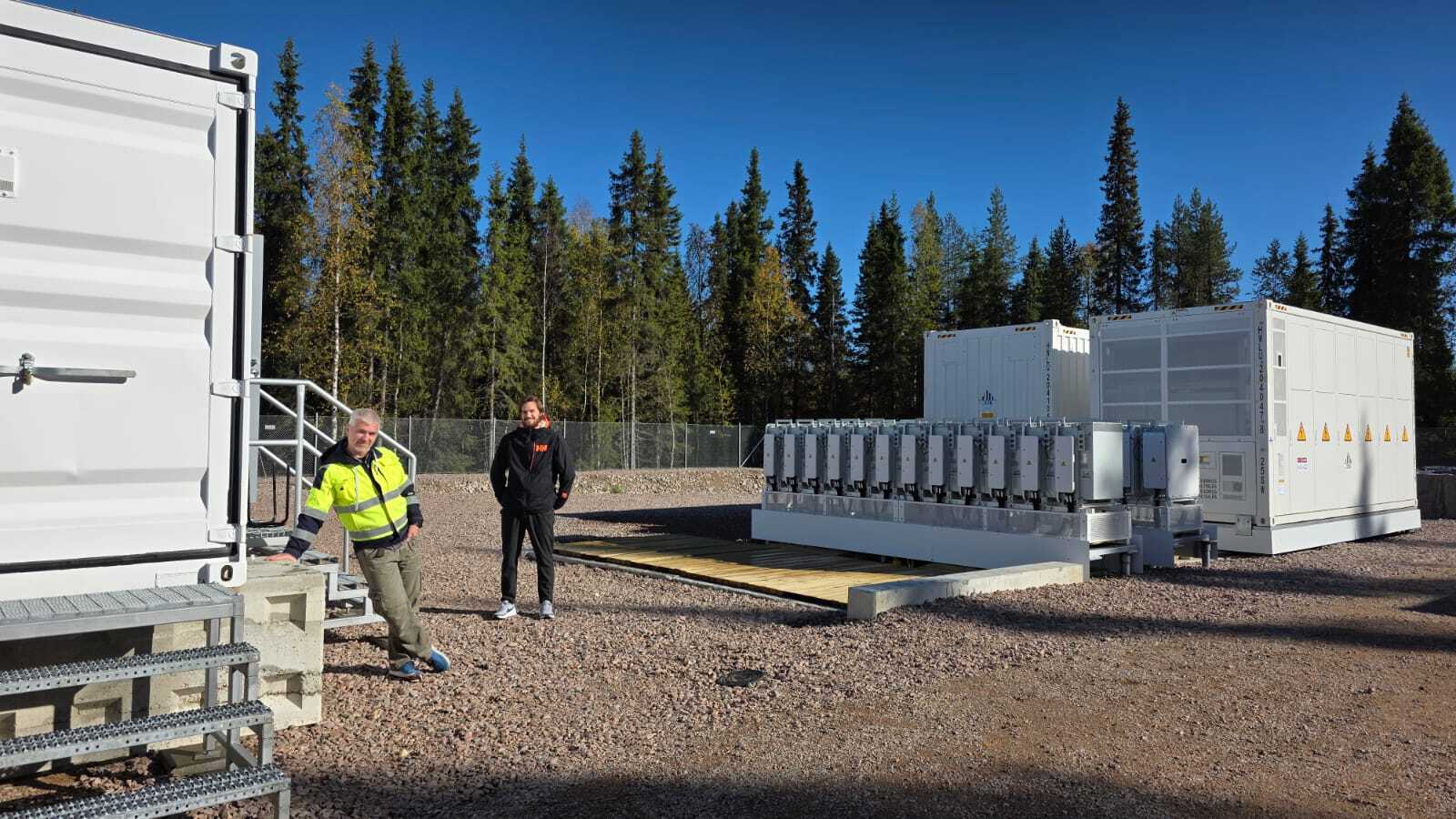
For Gridle, the three days in Sodankylä illustrate an important part of what it takes to operate grid-scale batteries. Optimization does not start only when an algorithm decides where to trade. It starts with making sure that the physical asset, its controls, Gridle’s technology and the electricity markets work together reliably.
But the significance of bringing the Sodankylä battery into operation goes beyond the individual asset. As Finland’s power system becomes increasingly weather-dependent, batteries can provide flexibility wherever they are connected to the grid.
“As Finland adds more wind power, the need for flexibility in the power system continues to grow. Batteries like this can provide that flexibility regardless of where they are located. It’s important that we can bring assets even in remote locations into the electricity markets and make their flexibility available to the Finnish power system,” says Julius Maylett, who was involved in the project’s development and the decision to partner with Gridle.