Data-Driven Transformation in Telco Operators | White Paper | Polystar
The Telecom Industry is facing a deep transformation. Read about the CSP status, as well as the drivers for transformation. Download here

Discover how a Digital Master provides the trusted operational context, real-time intelligence, and data foundation for autonomous networks.
Listen to this article
Autonomous network operations have become one of the telecom industry’s most important strategic ambitions. Operators are introducing AI agents, intelligent workflows, closed-loop automation, and advanced analytics to improve efficiency and manage growing network complexity.
Yet one fundamental challenge remains: how can these systems make reliable decisions when operational information is fragmented across multiple platforms, vendors, and network domains?
The answer is not simply more AI. It is better operational context.
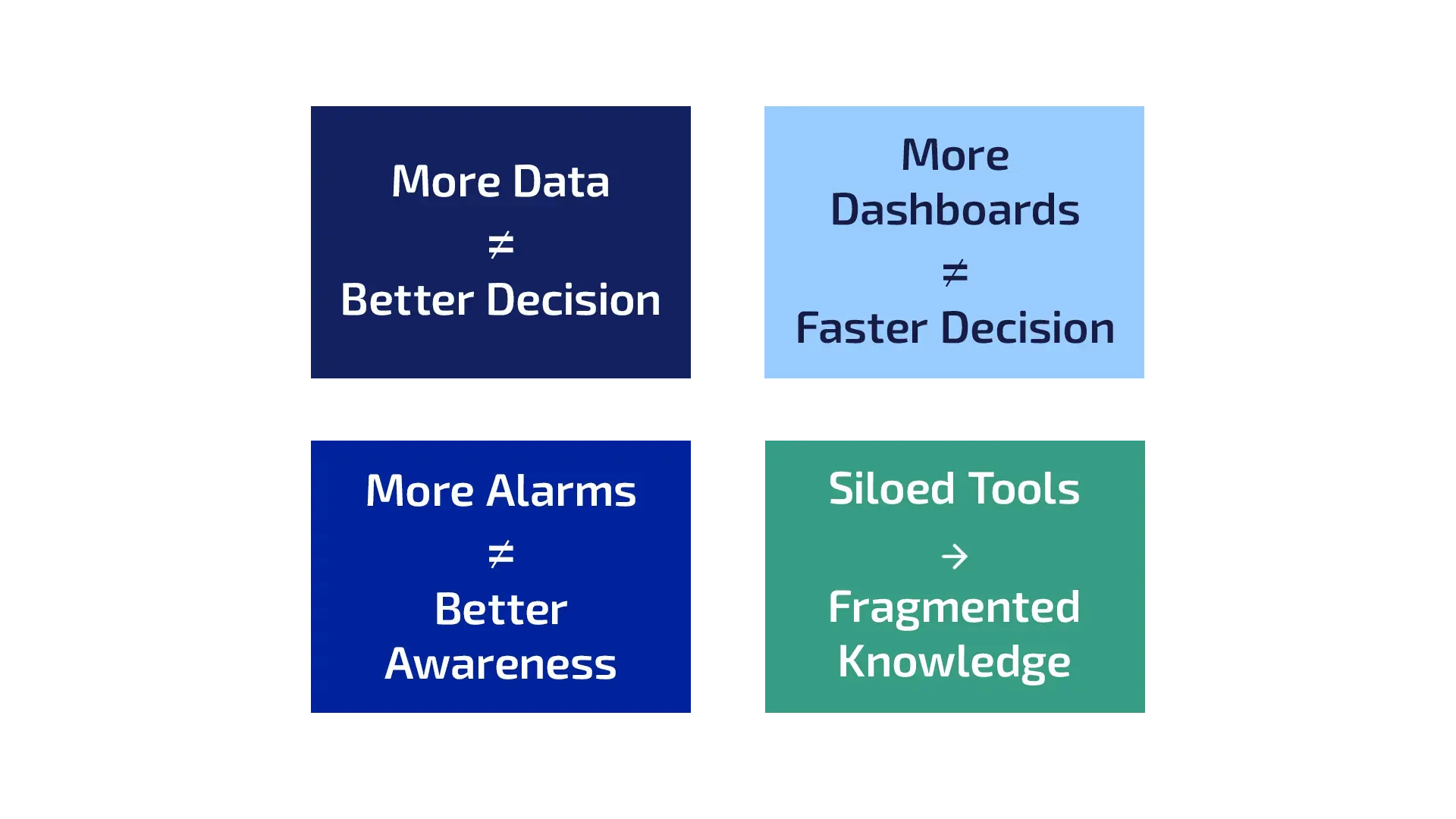
Telecom operators have invested heavily in monitoring platforms, inventory systems, assurance tools, analytics, and automation frameworks. Yet more data does not automatically lead to better decisions.
More dashboards do not guarantee faster responses, and more alarms do not improve operational awareness. Instead, specialized tools often create silos, leaving operations teams with fragmented knowledge and multiple versions of the truth.
As operators pursue autonomous operations, this challenge becomes even more significant. While isolated automation can function with limited data, autonomous systems require a holistic understanding of network resources, services, dependencies, and impacts.
AI cannot make reliable decisions based on inconsistent data, outdated inventories, or disconnected workflows. Autonomous operations therefore require a trusted, contextual foundation built on a unified view of the network.
This is where the Digital Master provides value: a living operational model that gives automation platforms and AI agents the trusted context needed to make informed decisions.
A Digital Master is a continuously updated operational model constructed from live network data. It brings together physical and logical topology, service relationships, dependencies, real-time telemetry, events, performance information, and assurance context.
Unlike a traditional inventory system, which may become outdated as soon as the network changes, a Digital Master is continuously rebuilt and enriched from operational data collected directly from the network. It reflects not only what resources are expected to exist, but also their current configuration, state, relationships, and operational behavior.
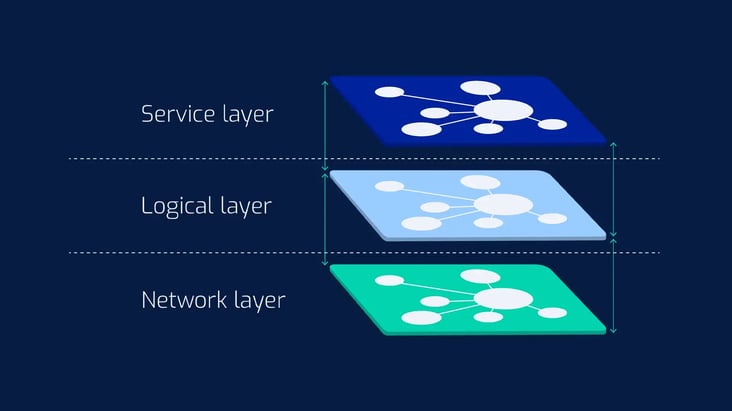
The Digital Master represents several interconnected views of the network:
Physical topology and inventory, including active network components such as chassis, cards, ports, adapters, and active links.
Logical topology, covering network relationships and logical constructs.
Service topology, showing how services are configured and delivered across network resources.
Dependencies and impact paths between physical resources, logical connections, and services.
Real-time operational state, including telemetry, events, performance, and synchronization data.
Assurance context, supporting validation, impact assessment, and root cause analysis.
The result is a live operating model that can serve as a shared source of operational truth for engineers, applications, automation workflows, orchestration platforms, and AI agents.
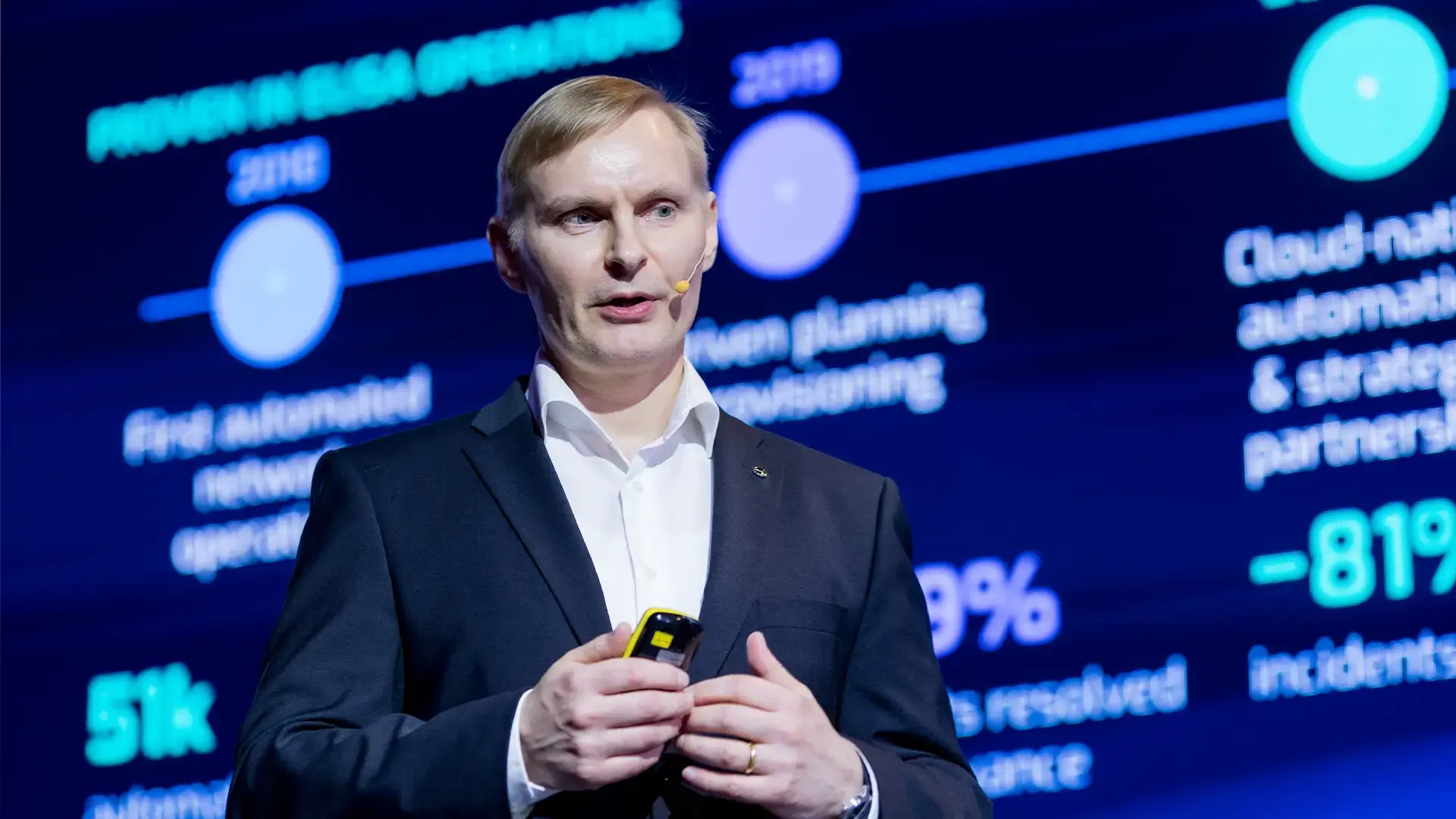
Watch Henri Helanterä's presentation at FutureNet Asia 2026, where he explains how a Digital Master supports the journey toward Autonomous Network Operations:
Telecom networks typically span RAN, fixed access, transport, backbone, data centers, and core domains. Each domain may include equipment from several vendors, with different interfaces, data structures, terminology, and management systems.
A Digital Master transforms this heterogeneous information through four connected capabilities.
Connectors and collectors gather information directly from network devices whenever possible, through interfaces such as gNMI, NETCONF, and SNMP. The collected information can include physical inventory, device configuration, operational state, telemetry, events, performance metrics, and synchronization data.
Because the model is continuously updated from the active network, operational systems can work with a current representation rather than relying solely on periodically reconciled records.
The collected data is converted from vendor-specific formats into a common information model. This creates consistent representations of topology, telemetry, resources, and relationships across different technologies and network domains.
Normalization is essential because automation and AI agents should not need a separate interpretation model for every vendor interface. They require a common operational language through which they can understand the network as a connected system.
The resulting operational intelligence can be made available through REST APIs, Graph APIs, event-streaming frameworks, Kafka-based services, and Model Context Protocol servers.
This enables applications, workflows, and AI agents to query topology, assess service impact, receive network notifications, and consume consistent operational context without creating new point-to-point integrations for every use case.
Once automation platforms and AI agents share a common understanding of the network, they can support tasks such as zero-touch configuration, software upgrades, service provisioning, change validation, migration planning, impact analysis, and root cause analysis.
Depending on the use case and the required level of control, decisions may be executed autonomously or presented to a human operator for review. The Digital Master provides the context needed for both approaches.
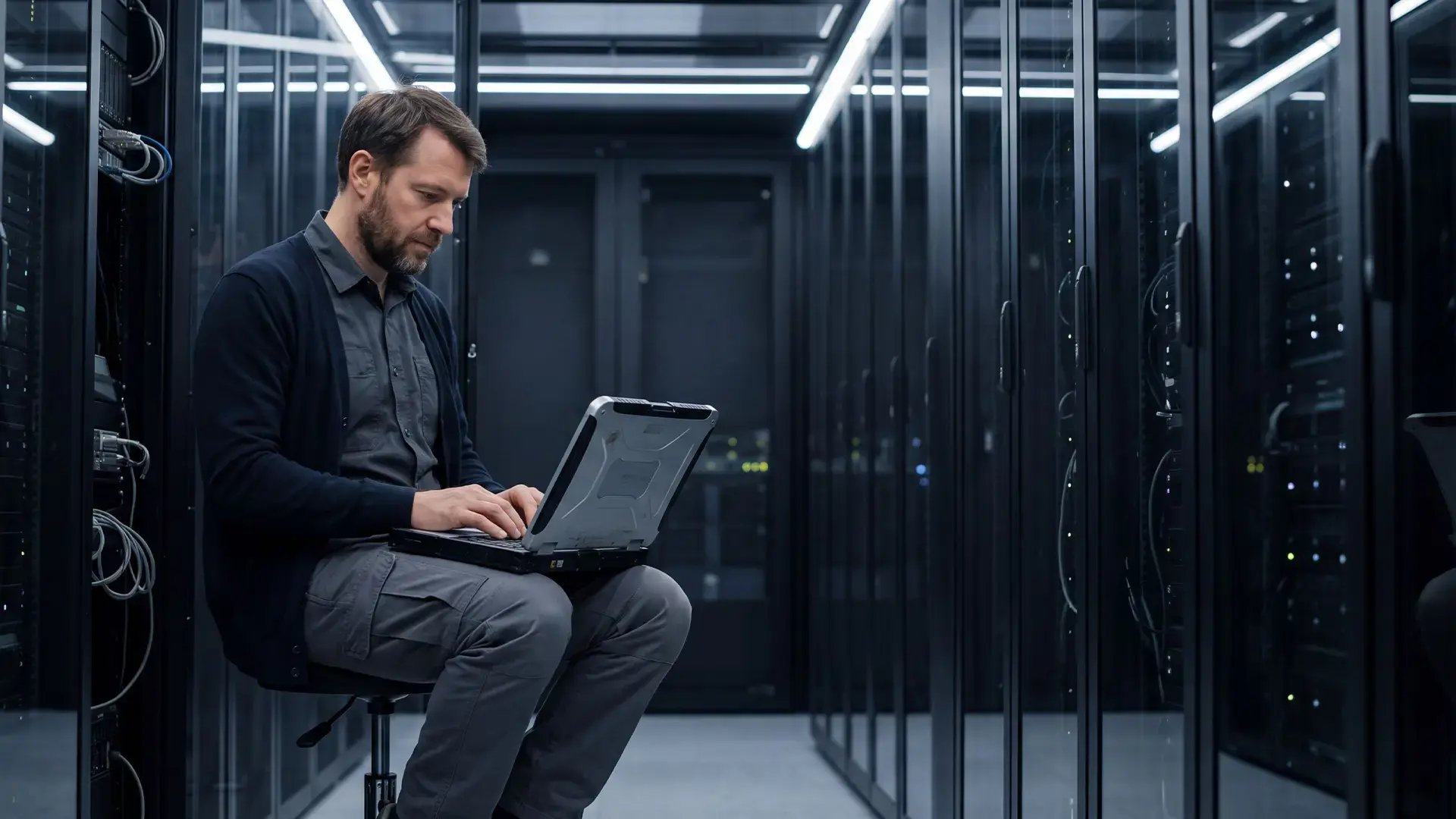
Many operators already use automation successfully in individual processes. The difficulty lies in scaling these initiatives across domains and workflows.
In a traditional approach, each automation project may need to collect its own data, discover network relationships, validate configurations, correlate dependencies, and resolve inconsistencies. This duplicates effort and makes every new use case another integration project.
A Digital Master changes this model. Data collection, normalization, topology discovery, validation, APIs, and operational intelligence become shared capabilities. New automation workflows can reuse this foundation instead of rebuilding it.
This “build once, reuse many times” approach allows autonomous capabilities to be introduced incrementally. An operator might begin with device configuration, extend the model to software lifecycle workflows, and then support service provisioning, incident analysis, or AI-assisted recommendations. Each use case benefits from the same trusted operational model.
Autonomous network operations require more than identifying a condition and triggering an action. A dependable closed loop must understand the current situation, select an appropriate response, assess its possible impact, execute the change, and validate the outcome.
The Digital Master provides the contextual layer connecting these stages. Real-time topology shows where an issue has occurred. Dependency information identifies affected services. Telemetry and assurance data describe the operational state. Validation capabilities can then determine whether the intended outcome has been achieved.
This is also important for agentic AI. A language model may be able to interpret a request or recommend an action, but it needs reliable grounding to understand the network on which that action will be performed. The Digital Master gives AI agents access to structured, current, and relationship-aware operational knowledge.
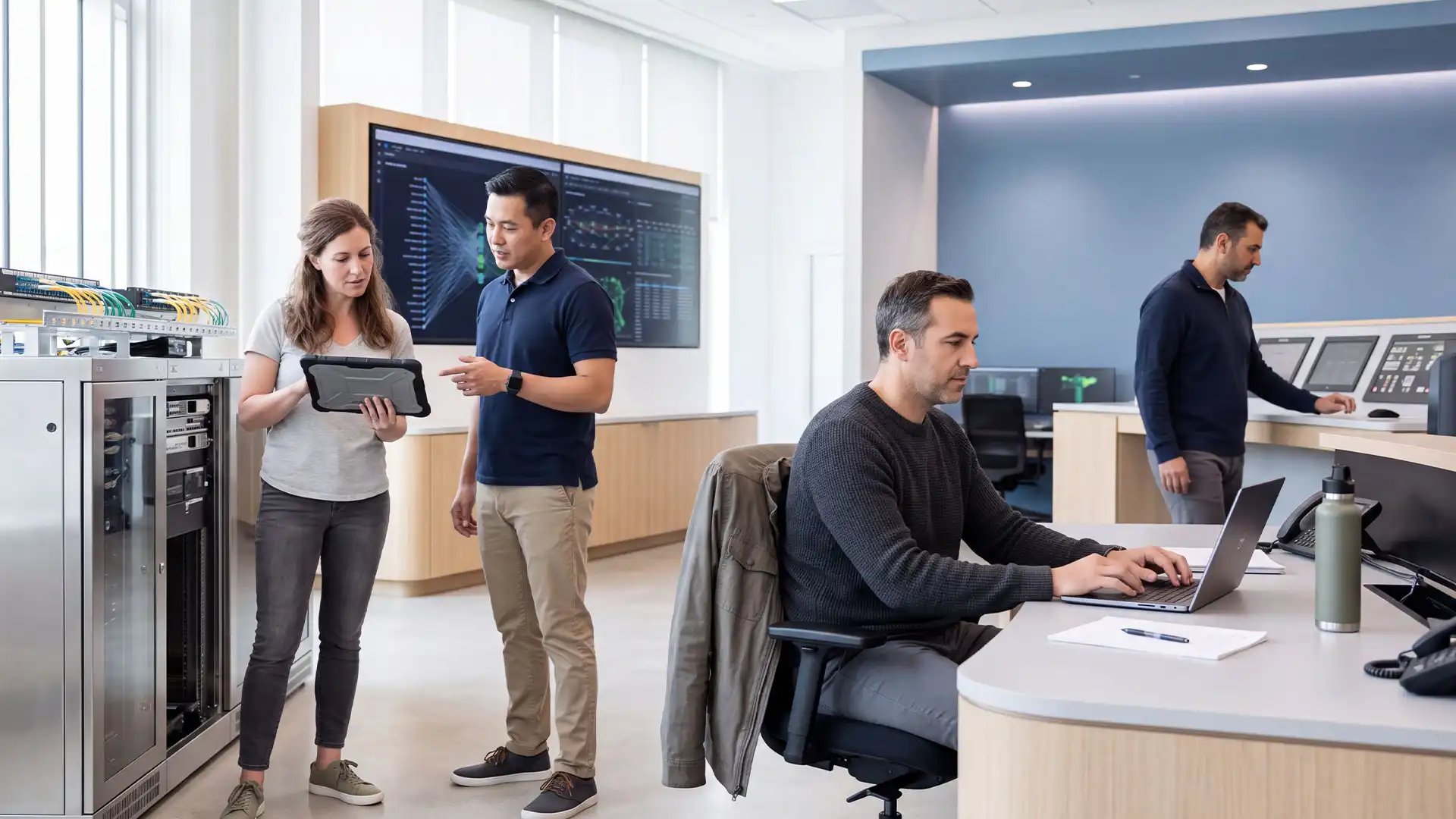
Moving toward autonomous operations is not only a technology transformation. It also changes how people interact with operational systems.
As automation expands, operations teams can shift from repeatedly executing tasks to designing policies and guardrails, managing exceptions, and governing outcomes. Human expertise remains critical, but it is applied at a different level.
The Digital Master supports this transition by providing a common operational view for both people and machines. Engineers can investigate the same topology, dependencies, and assurance context that automated systems use when analyzing conditions or taking action. This shared understanding improves transparency and makes human-in-the-loop governance more practical.
Autonomous network operations will not be achieved through a single technology deployment. They represent a progressive transformation in how network data, operational intelligence, automation, AI, and human governance work together.
The most successful operators will not necessarily be those that deploy the largest number of AI tools. They will be those that provide those tools with trusted, contextual, and continuously updated operational knowledge.
By unifying real-time topology, network state, service relationships, dependencies, telemetry, and assurance context, the Digital Master creates the foundation on which automation can scale and AI can make better-grounded decisions.
The future of network operations will not be defined by AI alone. It will be defined by how effectively operators turn network data into a coherent system of understanding and action.
The Digital Master is what makes that possible.