In this exclusive video, Gerhard Wieser, Polystar’s CTO, breaks down how AI, Machine Learning, and Generative AI have evolved from early experimentation to real‑world, high‑impact deployment inside operator networks.
As operators move beyond the hype cycle, 2026 marks a turning point. AI agents are maturing, ML models are becoming more capable, and telcos are increasingly demanding practical, data‑driven workflows.
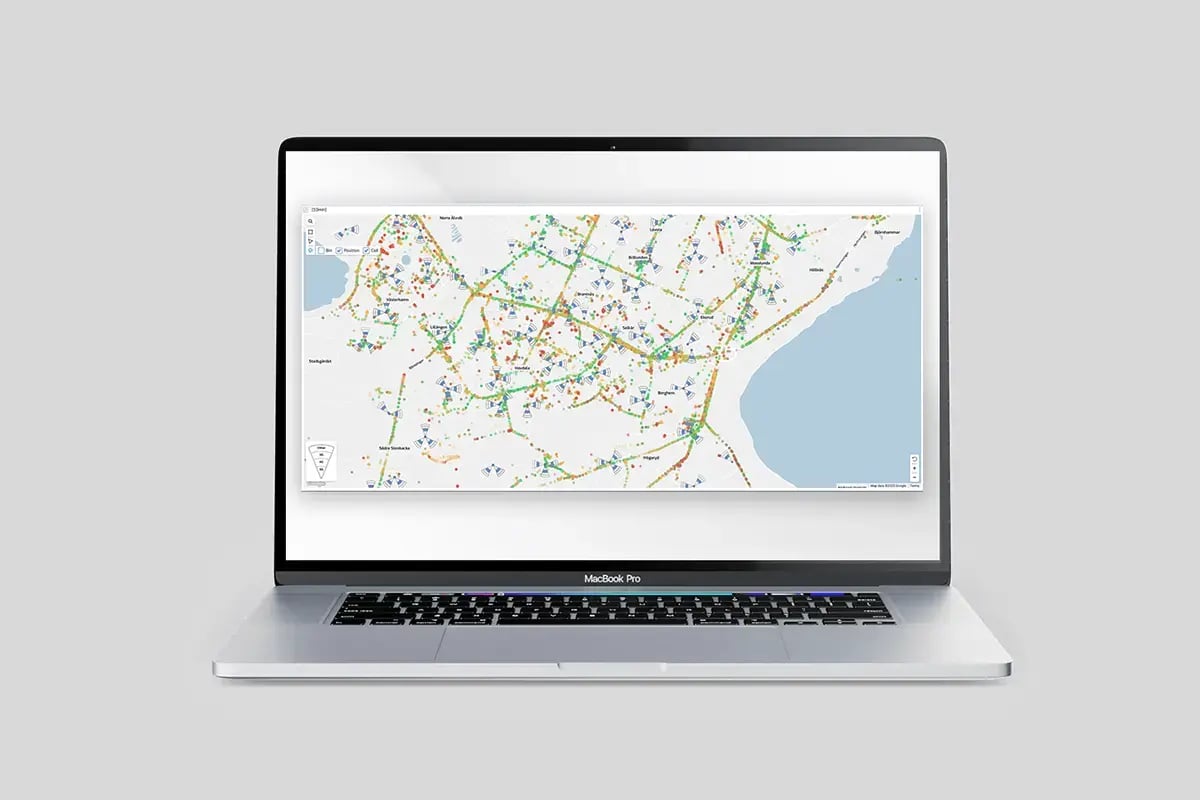
This video reveals how Polystar’s unique access to rich, high‑quality network data empowers operators to build, scale, and orchestrate powerful AI solutions faster than ever before.
What You’ll Learn:
-
How AI and ML have progressed from 2025 → 2026
-
Why clean, contextual network data is the critical foundation for telecom AI
-
How Polystar accelerates operator workflows through APIs, SQL, MCP, dashboards, and more
-
The rise of AI agents — and how Polystar enables operators to connect and coordinate them
-
How human expertise + AI delivers smarter, self‑improving telecom systems
-
You’ll also get a first look at new AI/ML Use Cases Polystar is preparing to launch throughout the year.
Why Polystar Leads in Telecom AI
Unlike general-purpose AI vendors, Polystar combines unparalleled network data access with deep telecom domain knowledge. As AI application development becomes faster and more flexible, operators increasingly rely on Polystar data to power both off‑the‑shelf and custom AI solutions designed specifically for telecom performance, service assurance, and automation.
The Future of Telecom Automation
2026 introduces a new era where AI agents work collaboratively, guided by operator‑defined procedures and network goals. The result? Faster decisions, smarter operations, and networks that continuously improve themselves.
Read more in Gerhard Wieser's blog article How Will AI in Telco Deliver Value in 2026